Aerial Abstracts

Fans and Flows, Aerial Abstracts - P10
Aerial Abstracts – P10

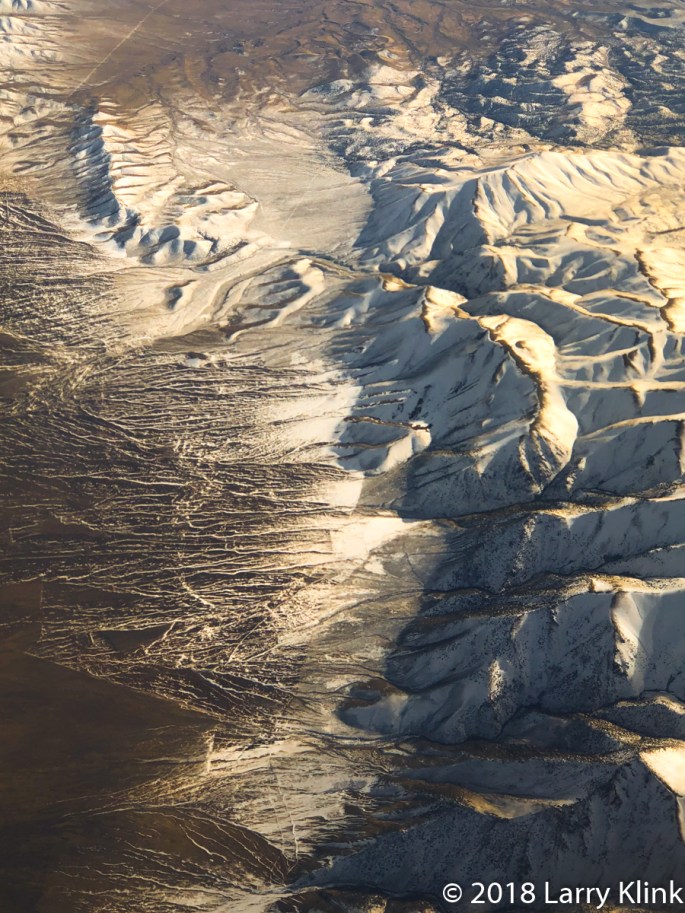
Abstract art uses color, shape and line to create a pleasing image. That image may or may not represent something real. In photography, you arrive at the result through a different route. You find a candidate and create a composition that emphasizes the pattern created by the color, shape and/or line over the subject itself.

I am a primarily a landscape photographer. As I progressed and learned more about that art, I became fascinated with the questions about how a scene evolved; what processes shaped it in the past and what processes are shaping it today. As I observed, I began to see the patterns and to understand how to recognize the effects of the wind, water and tectonic events that influenced it.  I also began to see how the patterns repeated themselves in different ways in different objects. It is those patterns that often make a wonderful abstract image.

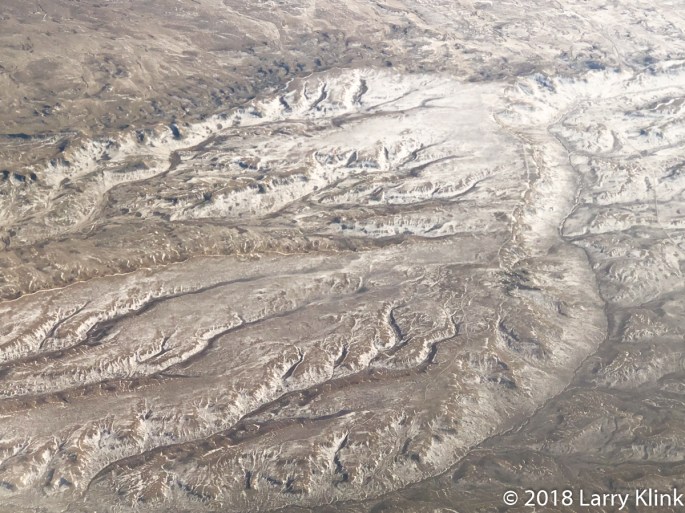
On a recent cross-country trip, we flew over the high plains of Kansas and the foothills and peaks of the Rocky Mountains. In many places the snowpack was broken; ice and snow lay in the crevices where snowmelt flows, while the remaining surfaces were clear. I was struck by the patterns that I saw. Erosion created patterns like those of a bush branching or leaves branching on a stem. In one spot, I saw a fish backbone with its tiny ribs extended. Using my trusty phone camera, through an airplane window, I created some abstracts from the landscapes I love.

I hope you enjoy these images. Reflect on the patterns – what do you see?

Regards

Larry

Note: Click on Caption to see larger, higher resolution image

These and other images are available for purchase at http://www.earthwatcher.us or by contacting me at larry@earthwatcher.us.
Aerial Abstracts - P4
Aerial Abstracts – P4
Aerial Abstracts - P11
Aerial Abstracts – P11
Aerial Abstracts - P9
Aerial Abstracts – P9
Aerial Abstracts - P5
Aerial Abstracts – P5

These and other images are available for purchase at www.earthwatcher.us or by contacting me at larry@earthwatcher.us.

Lava Fields in Iceland

Trees in a Lava Field
Trees in a Lava Field, Iceland, 2017

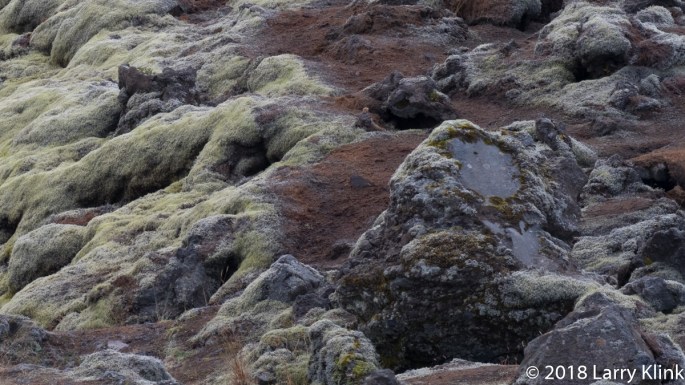
I was intrigued by the Lava Fields that I saw in Iceland last summer. A lava field, or lava bed, is a flat plain over which lava flowed and cooled. The ones that intrigued me the most were those that looked like rocks strewn at random. But what really caught my eye was how nature found a way to turn this area of desolation into a soft blanket of green. Lichens took over and attached themselves to the rock. Low shrubs invaded and even a clump of trees found a way to survive. The images I am sharing attempt to convey the beauty of these features. I hope you enjoy them.

Regards,

Larry

Note: Click on caption to see larger, high resolution copy of image.

Lichen Blanketing a Lava Field
Lichen Blanketing a Lava Field, Iceland 2017
Green Shrub in a Lichen Covered Lava Field
Green Shrub in a Lichen Covered Lava Field, Iceland 2017

Note: These and other images are available for purchase at my website: www.earthwatcher.us or by contacting larry@earthwatcher.us.

Some Less Photographed Perspectives of Yosemite

Along the Merced River Near El Capitan Bridge
Along the Merced River Near El Capitan Bridge – Yosemite National Park, CA; FEB 2018

We recently visited Yosemite National Park. On the day we visited, I decided to look for perspectives that aren’t commonly photographed. I love the iconic images but there are lots of nooks and crannies that provide wonderful landscapes. I hope you enjoy these images.

Regards,

Larry

Note: Click on caption to see image at larger size.

Middle Section of Yosemite Falls from Swinging Bridge meadow
Middle Section of Yosemite Falls from Swinging Bridge Meadow – Yosemite National Park, CA; JAN 2018
Sections of El Capitan, El Capitan Meadow, Yosemite National Park, JAN 2018
Demon Like Feature on El Capitan – from El Capitan Meadow, Yosemite National Park, JAN 2018
20180131-Yosemite-054-Web
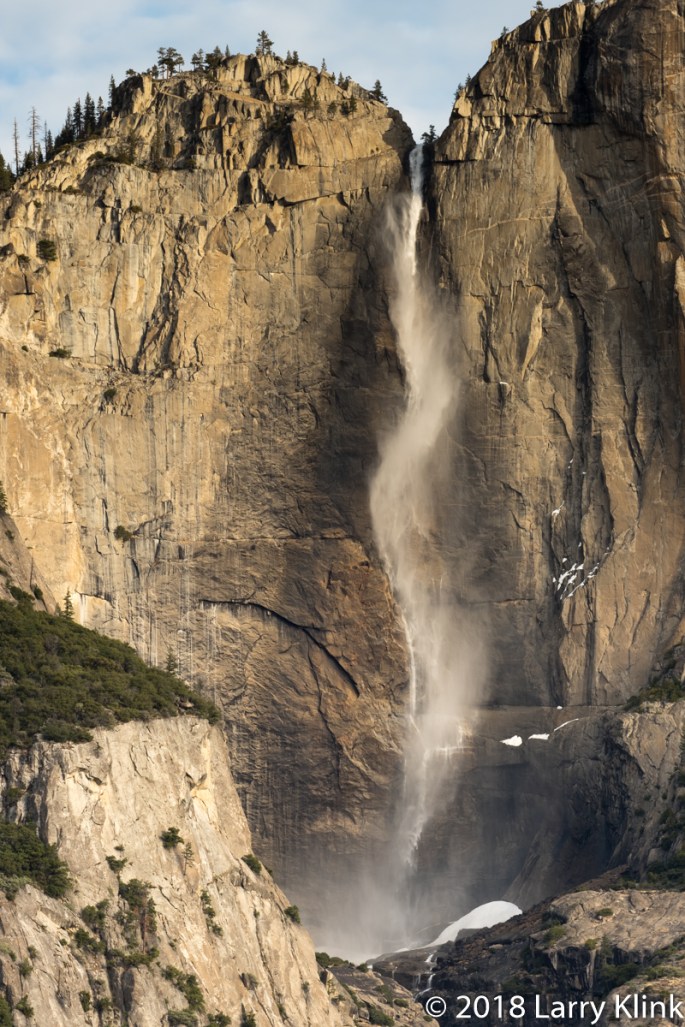
Swirling Waterfall – Upper Yosemite Falls from Swinging Bridge Meadow, Yosemite National Park, CA; JAN 2018
Reflections Under a Bridge
Reflections Under a Bridge – Merced River Under El Capitan Bridge, Yosemite National Park, CA; FEB 2018 
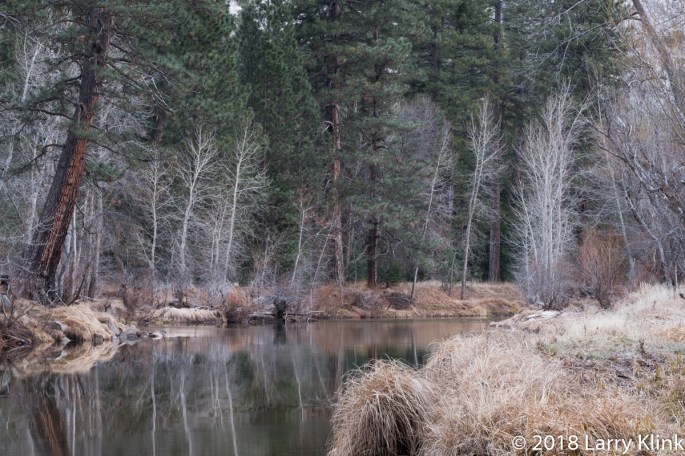
Merced River from Swinging Bridge Meadow, Yosemite National Park, CA; FEB 2018

Note: These and other images are available for purchase at my website: www.earthwatcher.us or by contacting larry@earthwatcher.us.

More Common Views from Sacramento and Colusa National Wildlife Refuge

Snow Geese
Snow Geese, Sacramento National Wildlife Refuge, JAN 2018

A few days ago, I shared some images of the less common sightings at these 2 major refuges on the Pacific Flyway. But, the usual suspects were there also. Today, I will share a few images from this set.

Regards,

Larry

Note: Please click on caption to see image in larger size.

Western Pond Turtle
Western Pond Turtle, Sacramento National Wildlife Refuge; JAN 2018
Western Meadowlark
Western Meadowlark, Sacramento National Wildlife Refuge; JAN 2018
Great Blue Heron
Great Blue Heron, Sacramento National Wildlife Refuge; JAN 2018 
Whte Fronted Goose
White Fronted Geese, Colusa National Wildlife Refuge; JAN 2018
American Wigeon
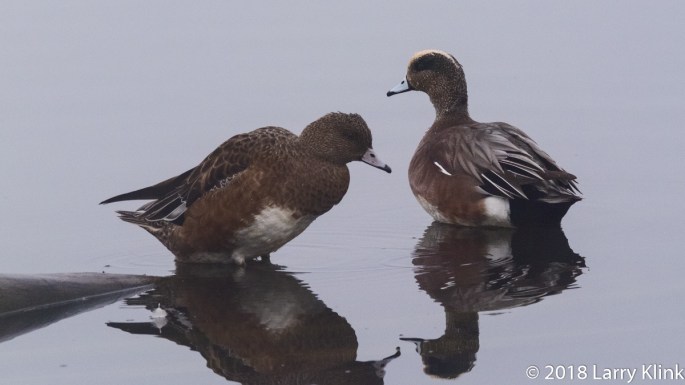
American Wigeon, Colusa National Wildlife Refuge; JAN 2018
An American Coot in High Key
American Coot in High Key, Sacramento National Wildlife Refuge; JAN 2018
Killdeer
Killdeer, Colusa National Wildlife Refuge; JAN 2018


Note: These and other images are available to purchase on my website, www.earthwatcher.us or by contacting larry@earthwatcher.us.

Less Common views from Sacramento and Colusa National Wildlife Reserve

Ring Necked Pheasant
Ring Necked Pheasant, Colusa National Wildlife Refuge, JAN 2018

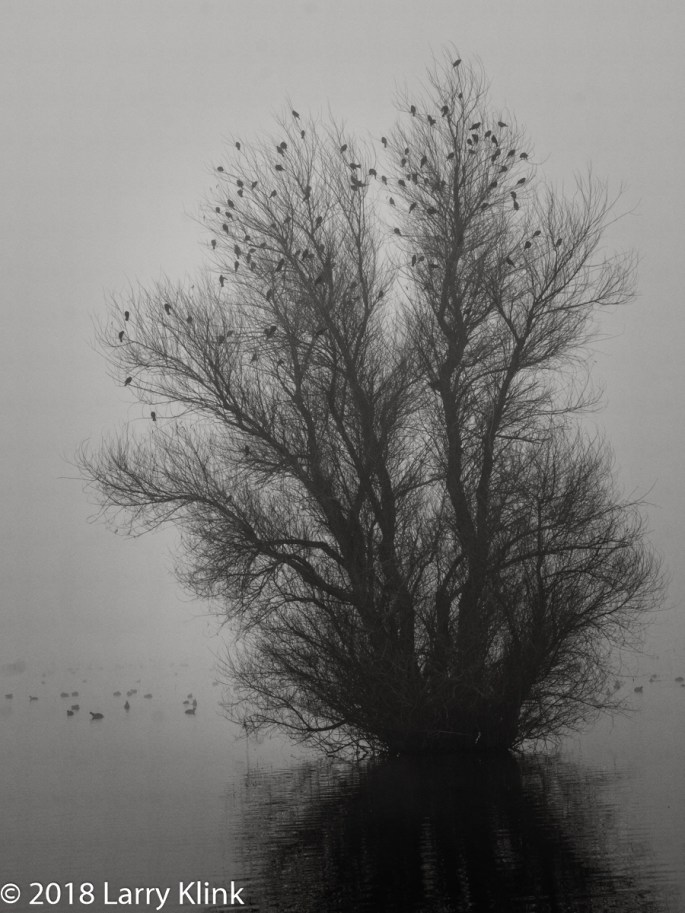
Our visit to the Sacramento and Colusa National Wildlife Refuges found us in fog an low light. These conditions make photography more difficult but also present some interesting opportunities for unique and special images. Additionally, on this visit, we were treated to some birds that we don’t normally see. I hope you enjoy these images.

Regards,

Larry

Note: Please click on caption to see image in larger size.

American Bittern
American Bittern, Colusa National Wildlife Refuge, JAN 2018
Birding on a Peaceful, Foggy Morn
Birding on a Foggy Morn, Colusa National Wildlife Refuge, JAN 2018
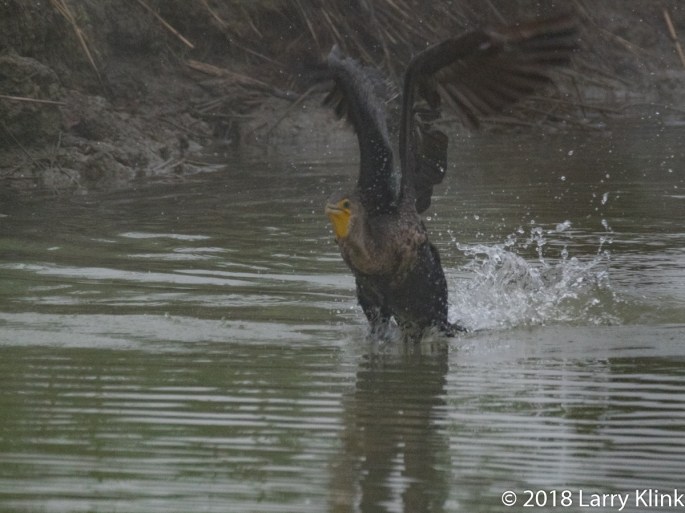
Double Crested Cormourant
Double Crested Cormorant, Colusa National Wildlife Refuge, JAN 2018
Fading Into the Fog
Fading Into the Fog, Colusa National Wildlife Refuge, JAN 2018
Female Northern Harrier (aka Marsh Hawk)
Female Northern Harrier, Sacramento National Wildlife Refuge, JAN 2018
Wilson's Snipe
Wilson’s Snipe, Colusa National Wildlife Refuge, JAN 2018
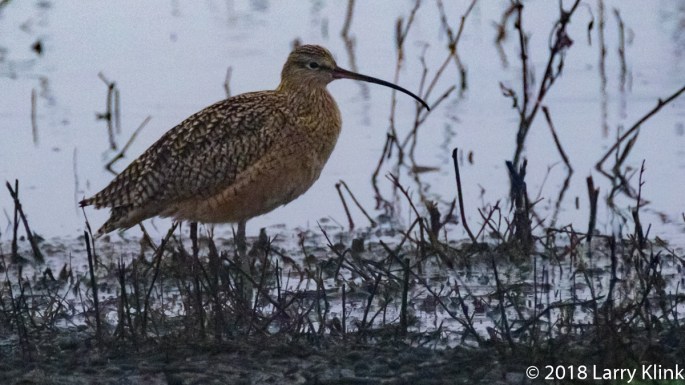
American Whimbrel
American Whimbrel, Colusa National Wildlife Refuge, JAN 2018
Pied-billed Grebe
Pied-billed Grebe, Colusa National Wildlife Refuge, JAN 2018
Common Moorhen (Waterhen, Swamp Chicken, Rail, closely related f
Common Moorhen, Colusa National Wildlife Reserve, JAN 2018

Note: These and other images are available for purchase on my website www.earthwatcher.us or by contacting larry@earthwatcher.us.
Standoff at Sacramento NWR

Peregine Falcon
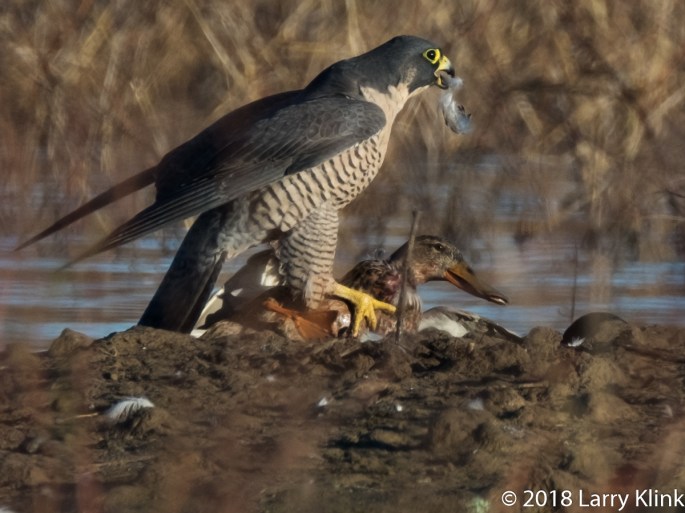
Peregrine Falcon; The falcon clings to the dead female mallard while plucking its feathers.

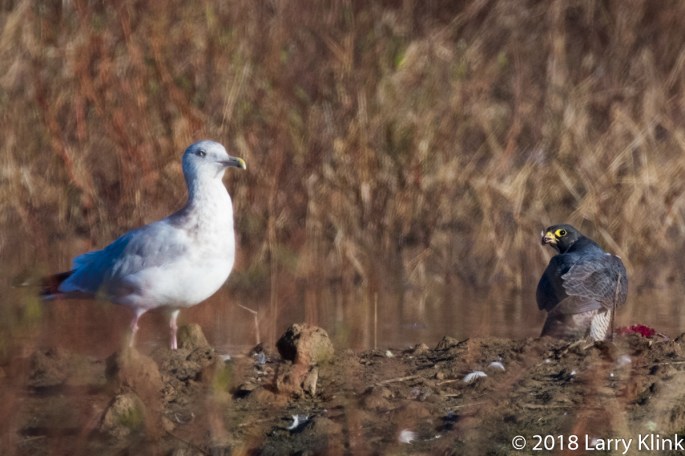
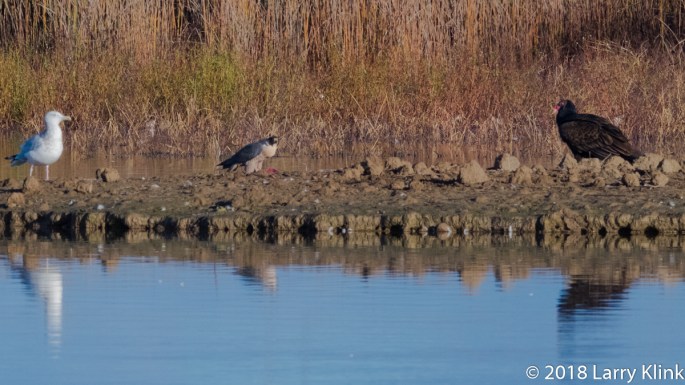
No, not government agents vs. protestors. On Jan 7th, Donna and I visited the Sacramento National Wildlife Refuge near Willows, CA.  The highlight of the trip was a standoff between a peregrine falcon, a gull, and a Turkey Vulture. The falcon was standing guard over a female mallard. It was not clear if he brought it down himself or found it. Regardless, he was guarding his prize. The first interloper was the turkey vulture. He made some strafing runs at the falcon and was able to drive him off for a short period of time, but the falcon eventually prevailed. The second interloper was a gull, possibly a herring gull. It was a lot more reticent. It mostly stood watch while the falcon ate. But, he did try one attack. The falcon would have nothing of it and expressed his displeasure. In the end, the falcon consumed his meal while the vulture and gull looked on. We left before any battle over the leftovers ensued. There wasn’t much leftover to fight about.

Regards,

Larry

Note: Click on caption to see image in larger size.

Peregine Falcon, Turkey Vulture
Peregrine Falcon, Turkey Vulture; The falcon protects his prey from the turkey vulture.
Peregine Falcon, Turkey Vulture
Peregrine Falcon, Turkey Vulture;Vulture attacks, falcon abandons prey amidst flying feathers.
Peregine Falcon, Herring Gull
Peregrine Falcon, Herring Gull;  The gull arrives and begins apprising the situation. The falcon gives a threatening stare.
Peregine Falcon, Herring Gull
Peregrine Falcon, Herring Gull;  The gull gives off a war cry and begins a futile try that fails.
Peregine Falcon, Herring Gull
Peregrine Falcon, Herring Gull; Stay away; this is mine.
Peregrine Falcon, Herring Gull, Turkey, Vulture
Peregrine Falcon, Herring Gull, Turkey Vulture; The standoff ended with the falcon consuming his meal while the others waited, hoping for scraps.

Note: These and other images are available for purchase at www.earthwatcher.us or by contacting larry@earthwatcher.us.
Autumn Images

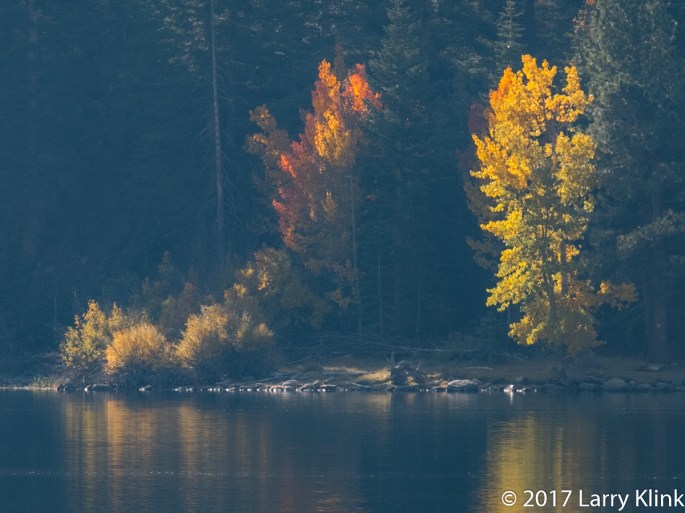
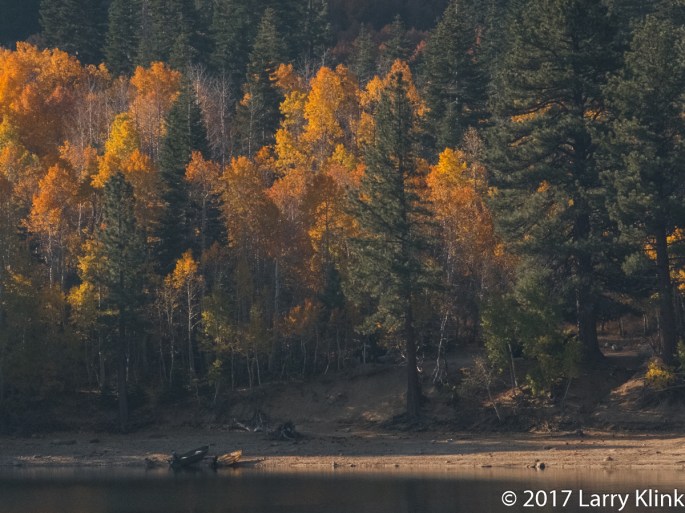
Autumn Sunrise at Twin Lakes
Autumn Sunrise at Twin Lakes, Twin Lakes, Bridgeport, CA; OCT 2017

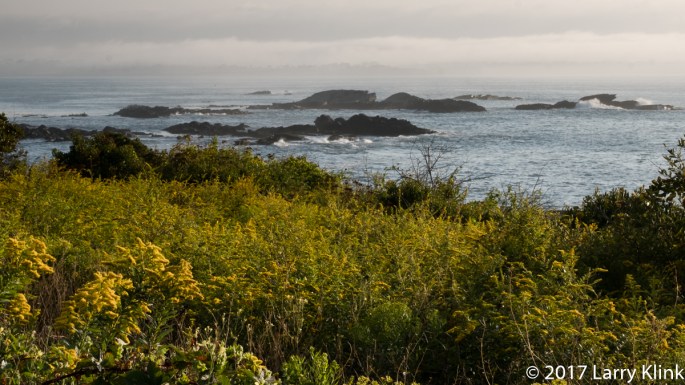
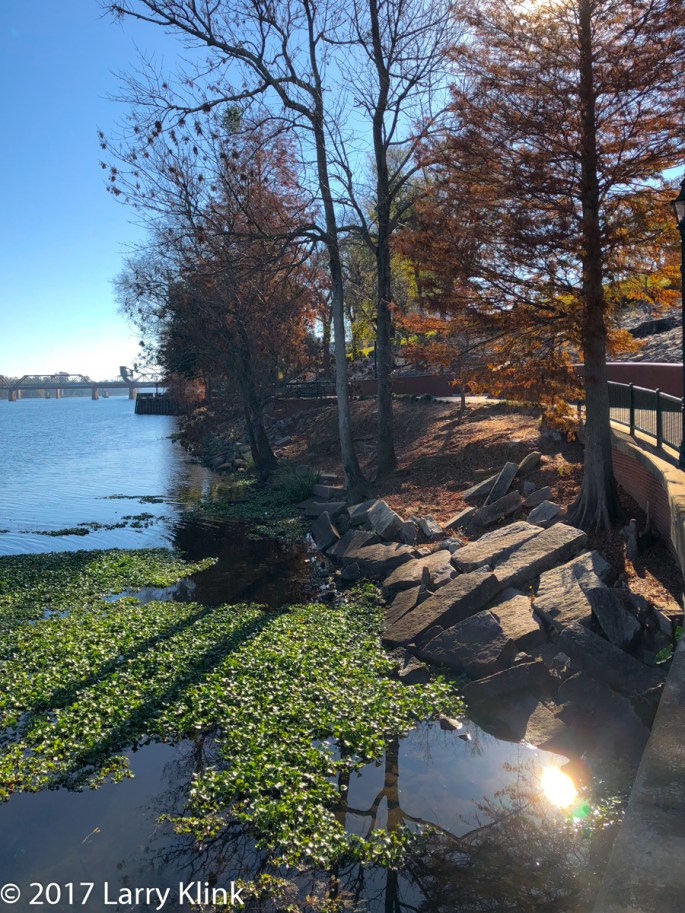
As winter approaches, it is time to share some of the autumn images I collected over the past few months.

Goldenrod at Sunrise
Goldenrod at Sunrise, Sacheust NWR, Newport, RI; OCT 2017
20171126-Augusta-010-Web
Augusta Riverwalk, Savannah River, Augusta, GA; NOV 2017
Sunrise On A Foggy Morning
Lake Notomas, American River Parkway, Folsom, CA; DEC 2017
Lakeside on an Autumn Morning
Lakeside on an Autumn Morning, Twin Lakes, Bridgeport, CA; OCT 2017

These and other images are available at purchase at www.earthwatcher.us or by contacting larry@earthwatcher.us

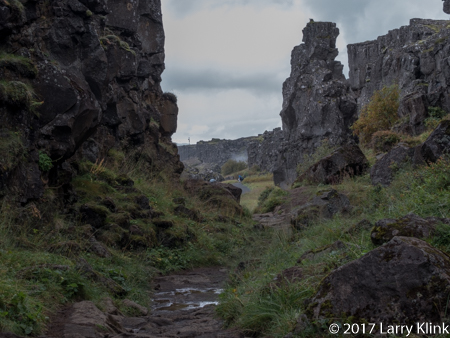
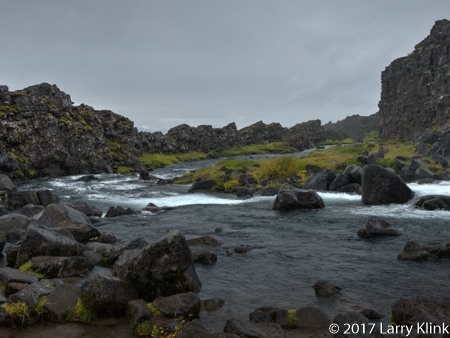
Almannagjá Ravine

Almannagjá Ravine - Icelandic Rift Valley
Almannagjá Ravine – Icelandic Rift Valley

Politically, Iceland is considered part of Europe. Geologically, though, it is a very different situation. Iceland sits atop the mid-Atlantic ridge. The ridge is a chain of volcanic mountains, mostly under the Atlantic Ocean that stretches most of the way between the North and South Poles. It is the dividing line between the Eurasian and North American tectonic plates. As the volcanos erupt, the lava causes the Atlantic Ocean to become wider, pushing North and South America westward and Europe and Africa eastward.
The Almannagjá Ravine is a crack or rift between the North American and Eurasian plates that is located in Þingvellir National Park It is a small part of the section of the mid-Atlantic ridge that runs northeast to southwest through Iceland. It geologically, marks the boundary between Europe and North America.
These images were taken in the Almannagjá Ravine. As you look at them, the walls to the left are in Europe and those on the right are in North America. For geology geeks like my wife and I, it is truly amazing to be able to stand on the mid-Atlantic ridge and to be able to walk between Europe and North America.
In 930, Iceland established its parliament in Þingvellir, near this location. Sessions were held there until 1800.

I hope you enjoy these images.

Regards,

Larry

Note: Click on caption to see images in higher resolution and larger size.

Öxarárfoss
Öxarárfoss, Oxara River, Almannagjá Ravine, Iceland
Öxará River
Öxará River, Almannagjá Gorge, Iceland

These and other images are available to purchase at my website www.earthwatcher.us or by contacting larry@earthwatcher.us


Icebergs, Auroras and Birds

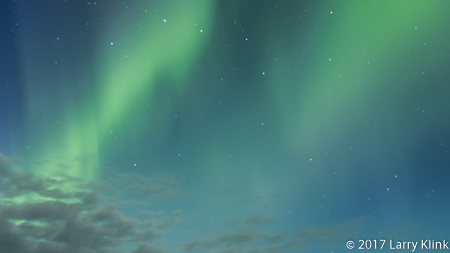
Aurora Borealis - Perspective 4
Aurora Borealis and Big Dipper

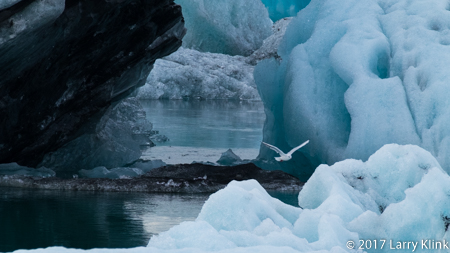
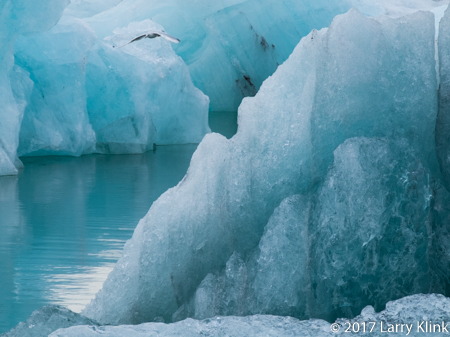
I am mashing together 2 different subjects in this post: Aurora Borealis and the interaction of icebergs with each other and with the avian life that inhabits them. I hope you enjoy these images.

Regards,

Larry

Note to see these images in larger size and higher resolution, please click on caption.

Aurora Borealis - Perspective 1
Aurora Borealis – Perspective 1


Aurora Borealis - Perspective 3
Aurora Borealis – Perspective 2


Aurora Borealis - Perspective 2
Aurora Borealis – Perspective 1


Icy Aviary - Perspective 4
Icy Aviary – Perspective 4


Icy Aviary - Perspective 5
Icy Aviary – Perspective 5


Icy Aviary - Perspective 3
Icy Aviary – Perspective 3


Icy Aviary - Perspective 1
Icy Aviary – Perspective 1


Icy Aviary - Perspective 2
Icy Aviary – Perspective 2

These and other images are available to purchase by visiting www.earthwatcher.us or contacting larry@earthwatcher.us.


Glaciers and Icebergs


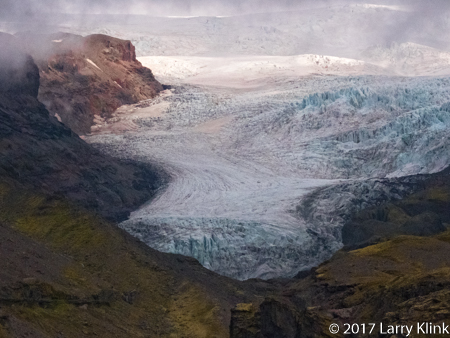
Image of a tongue of Vatnajökull Glacier
Vatnajökull Glacier, Near Hof, Iceland; SEP 2017

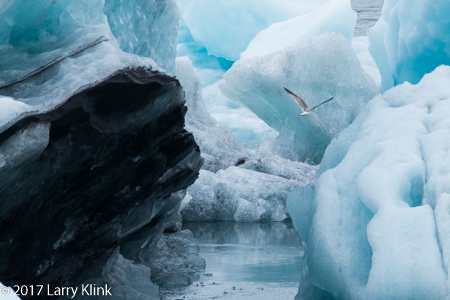
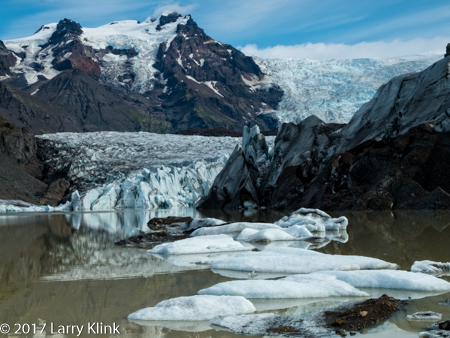
Long ago, I heard the quip that Greenland is icy and Iceland is green. I’ve never been to Greenland but can attest that, at least in the late summer, Iceland is very green. That being said, there is a lot of ice in Iceland. Iceland bills itself as the land of fire and ice because of the many glaciers and volcanos. In the area we travelled, we saw the glacier capped peaks anywhere there was a break in the cliff sides or where the cliff sides were set back far enough that we could see above them. Some were so large, you can see them cover peak after peak for many miles. In places, their tongues would wind their way down mountain valleys, sometimes reaching the floor. I have seen glaciers on TV and have heard about the dangerous crevices but it was not until this visit that I was able to follow a glacier, with my eyes, and see that it not just a smooth icy crust, but rather a cragged set of peaks and crevices. Perhaps, when there is a lot of snow, it fills the crevices making the glacier appear smooth and making it a much more dangerous place to cross.
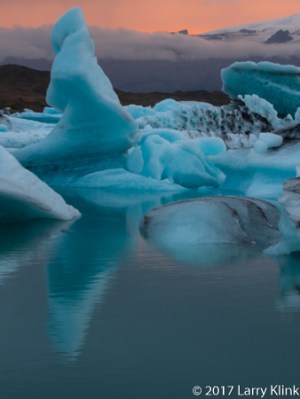
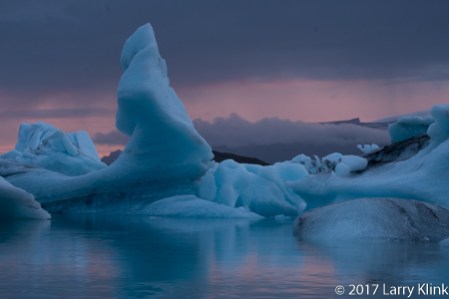
Several things intrigued me about the glaciers I saw: some of the ice is white and some of it is blue, there were big black stripes over the glaciers and several of the glaciers sat atop volcanos, 2 of which erupted recently. The blue ice is caused by how some of the ice crystals react with light. The black stripes are windblown particles of volcanic ash that cover the glacier in the summer. In the winter, they are mostly covered with snow.

Volcanos under ice is the interesting story. Eyjafjallajökull, a volcano under a glacier of the same name, erupted in 2010. Grímsvötn, a volcano under Iceland’s largest glacier, Vatnajökull, erupted in 2011. Katla, which is partly covered by Mýrdalsjökull is currently threatening eruption and may be a much larger than the others in recent history. (By the way, jökull means glacier in Icelandic.) In addition to the explosive action of the eruption, it can melt the snow and ice creating catastrophic water and mudflows called lahars. The eruption of magma, the lava flows and the lahars will reshape a landscape. Because Iceland has so many volcanos that are active, fire and ice are responsible for Iceland’s rugged beauty.

Between the eruptions, the glaciers provide the water for the many waterfalls and the lush, green, vegetation and wildflowers. Where the glacial tongues reach the plains, they calve icebergs into lagoons. At one of the most popular lagoons, Jökulsárlón, a short river provides an outlet for the icebergs to flow to the ocean as the tides recede. When the tides return, many of the icebergs wash back onto the black sand beach. It is a wonder to behold.

I hope you enjoy the images of Glaciers and Icebergs.

Note: Click on caption to see image in larger size and resolution.

Iceberg; Jökulsárlón Lagoon, Iceland
Iceberg; Blue Ice - Last Light
Iceberg; Jökulsárlón Lagoon, Iceland
Surf and Ice
Surf and Ice, Jökulsárlón Ice Beach
Surf and Ice
Surf and Ice, Jökulsárlón Ice Beach
Vatnajökull Glacier
Vatnajökull Glacier, Near Hof, Iceland
Image of Svinafellsjokulsvegur Glacial Tongue and Lagoon
Svinafellsjokulsvegur Glacier

Regards,

Larry

These and other images are available for purchase at http://www.earthwatcher.us or by contacting larry@earthwatcher.us