I am a very analytical person. My creativity flows from my need to understand and explain. I made a career of distilling processes to their essence and reconstructing them to be more efficient and productive. My approach to photography is an extension of my life’s work. I distill a scene to identify its processes and actors. I try to understand how the processes, generally the forces of nature and the forces of humans, have and are interacting with the actors to create the scene. I focus on one or more of the actors and compose a scene that shares a moment with them in an aesthetically pleasing way.
Actors may be humans or wildlife. They also may be the sun, the moon, a tree, a river, mountain or other object. Each image shares a unique moment showing how its actors and processes have, are, and sometimes even will impact each other. But I also want to entice the audience to linger and to find their own story. I want them to imagine themselves experiencing the sights, the sounds and the feeling as if they were there.
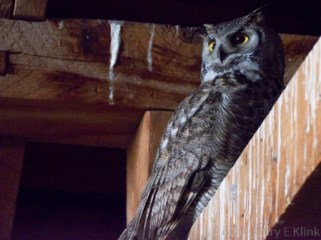
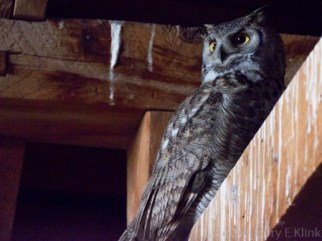
With an impending trip to Kruger National Park in South Africa, this year is shaping up to be a year where I concentrate on wildlife. My love has always been more intimate landscapes, so I truly enjoy the opportunities to shoot wildlife in the context of a landscape. Last weekend, I had the opportunity to visit the San Diego Zoo Safari Park, an 1,800 acre wildlife sanctuary that displays animals in large open enclosures where they can roam and exercise. Though the animals are the highlight, it is landscaped beautifully and is well worth a visit. I hope to get back sometime and spend more time photographing both the landscapes and the wildlife.
On this visit, it was overcast and rainy. Even so, the wildlife was out and active. I hope you enjoy these images from my visit.
Larger images of these and other wildlife can be seen at my Birds, Wildlife and Insects gallery on my website: http://www.earthwatcher.us.
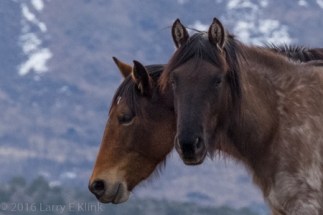
This past weekend, a few of my friends and I did a wildlife shoot in Carson Valley, near Minden, NV. Our guide was John Humphrey, a local wildlife photographer (www.akawolf.com). He provided us with access to private lands that we would not have had access to ourselves. It was a beautiful morning and we got plenty of interesting opportunities to shoot. Hope you enjoy these images.
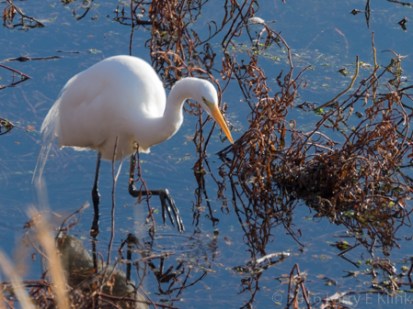
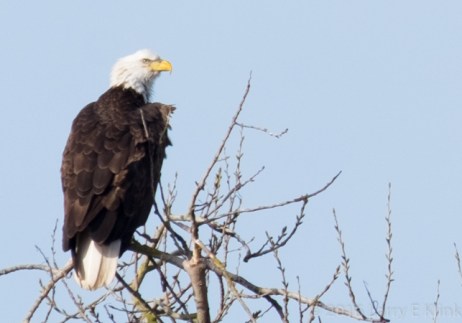
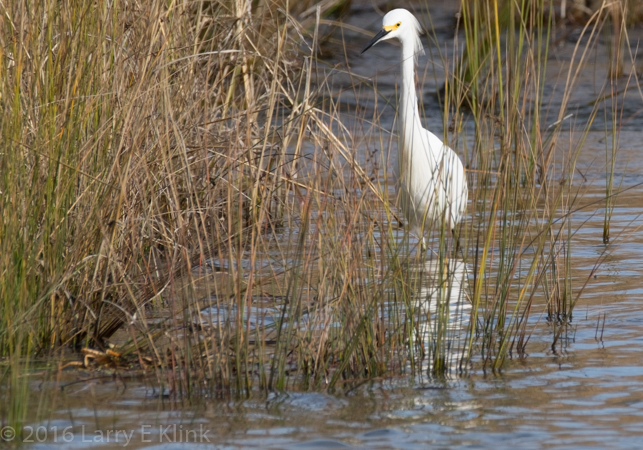
I am not typically a bird photographer. When I do shoot birds, I try to take them in the context of their environment, trying to answer the questions: this is who I am and this is how I survive. Living in the Sacramento, CA area affords me the opportunity to shoot migrating winter birds but, I find I really like to go back to the usual suspects – herons, egrets, Canada geese and mallards, hawks. Learning about them, observing their behavior gives me a lot of pleasure.
The last week or so, I’ve had the added pleasure of trying out my new Fujinon 100-400mm F4.5-5.6 lens and 1.4X Tele-converter. Its a great lens but its been more than a year since I shot with a long lens so, I made a few depth of field mistakes. Oh well, I guess I just need to go out and shoot more.
Anyway, here are a few images I shot. I hope you enjoy them.
Great EgretCanada GooseSnowy EgretMountain PloverRed Shouldered HawkBald EagleSnowy Egret
On Jan 26, 2016, I visited the Mt Tamalpias watershed area near Fairfax, in Marin County, CA. Imagine climbing up a hillside, along a stream that was running fast and loud due to recent rain. Now, imagine the trail to be 2 1/2 miles in and out with a 1,300 foot elevation gain, 750 feet over the first mile. That combination meant the stream was full of waterfalls and cataracts. The banks of the stream were hard rock surfaces covered with coastal redwoods, moss and ferns. It was absolutely spectacular. The trek was difficult but, was well worth the effort.
For my fellow photographers, the stream ran along an east-west access. The January sun rose behind the waterfalls casting some strong light in a few areas but the sun mostly was obscured by the canopy. The light, though bright, was diffuse. Still, the ferns, moss and rocks glistened. Perhaps, as the sun set, more light would have fallen directly on the waterfalls but I didn’t have time to stay and find out. If I make another trip, I will plan it for afternoon.
I hope you enjoy the images. Enlarged copies of the images can be found in my online gallery: Cataract Falls
Regards,
Mt Tamalpias Watershed, Marin County, CA, JAN 2016
Mt Tamalpias Watershed, Marin County, CA, JAN 2016
Mt Tamalpias Watershed, Marin County, CA, JAN 2016
Mt Tamalpias Watershed, Marin County, CA, JAN 2016
Mt Tamalpias Watershed, Marin County, CA, JAN 2016
Mt Tamalpias Watershed, Marin County, CA, JAN 2016
Mt Tamalpias Watershed, Marin County, CA, JAN 2016
As photographers, we are admonished to wait for the perfect light or, as a studio photographer, to set up the perfect light. It’s good advice, but not always practical. Sometimes you find yourself at a location you’d like to shoot and walk away disappointed because there are interesting subjects but bad lighting. I have been working on turning that admonishment around and searching where the light leads me; finding subjects where the light presents them. Those opportunities even avail themselves in very diffuse light. We just have to open our mind to creativity when thinking about light.
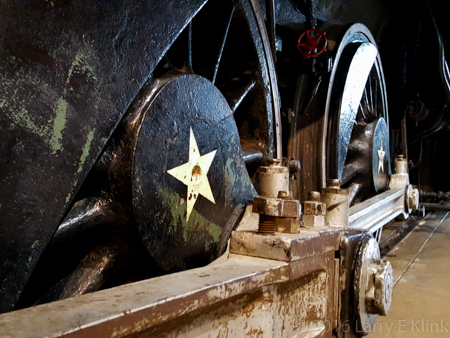
Untitled, California State Rail Museum, Sacramento, CA, JAN 2016Untitled, California State Rail Museum, Sacramento, CA, JAN 2016
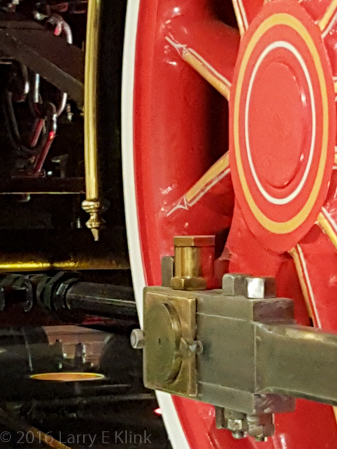
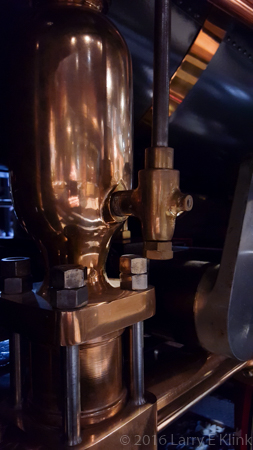
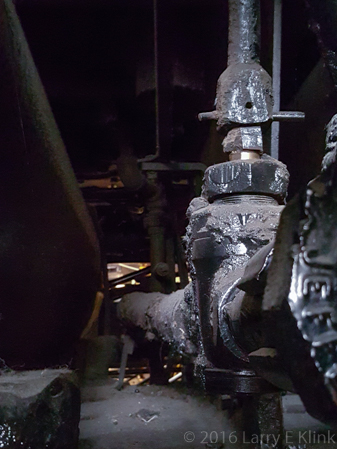
Last weekend, I visited the California State Rail Museum. If you are a railroad buff, there are a lot of great things to see. While there, I set 2 objectives: learn to use my cell phone camera more effectively and to look for subjects made interesting by the museum lighting. I did OK with the first objective but didn’t advance my skill as much as I’d have liked. I did learn that I have a little control over depth of field though not a lot. I did find interesting subjects to shoot. The museum lighting was very good and the light painted details in interesting ways. I’ve included a few examples for you to enjoy.
A Brass Valve, California State Rail Museum, Sacramento, CA, JAN 2016A View of the Underbelly, California State Rail Museum, Sacramento, CA, JAN 2016
I spent a winter afternoon cleaning up and organizing my photo library. While going through the library, I found a few gems that I had overlooked before; always a pleasant surprise.
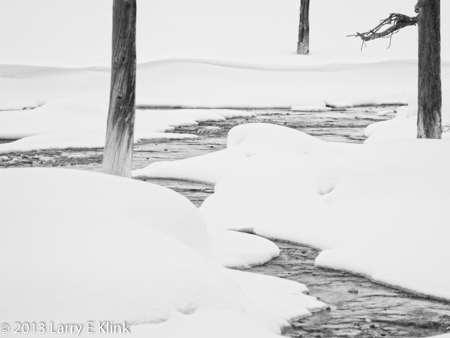
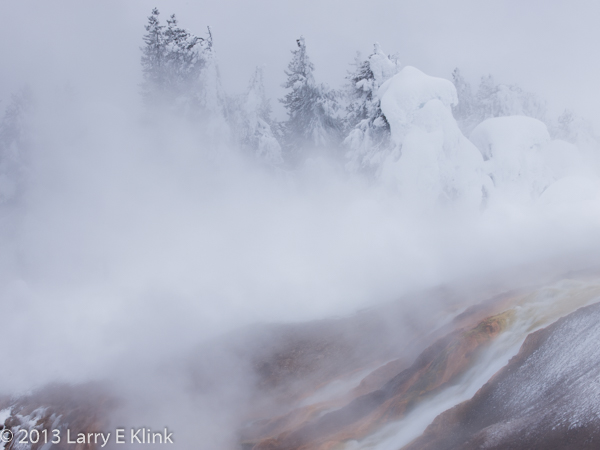
Rivulet, Lower Geyser Basin, Yellowstone, FEB 2013Hot Waterfall in Winter, Midway Geyser Basin, Yellowstone National Park, FEB 2013
Rivulet and Hot Waterfall in Winter were taken at Yellowstone 3 years ago when I attended Cindy Goeddel’s Yellowstone Yurt Tour. It was an amazing photo adventure that allowed me to see Yellowstone in the dead of winter. Rivulet was taken near the Lower Geyser Basin. Hot Waterfall is runoff from hot springs near Midway Geyser Basin.
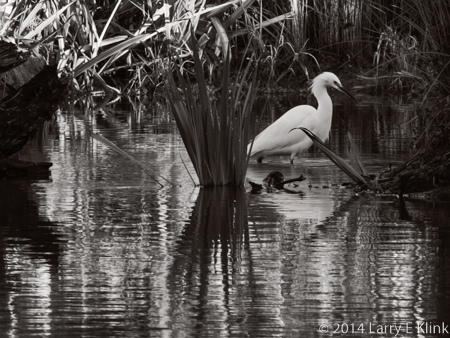
Snowy Egret, William Pond Park, Sacramento, CA, NOV 2015
Snowy Egret was taken at William Pond Park, near Sacramento, last November.
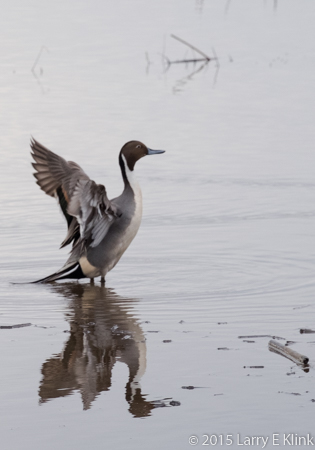
We are very lucky to be near the delta that flows into San Francisco Bay because it attracts many beautiful migrating birds in the winter. One of the birds that makes California’s Pacific Flyway their home is the Pintail Duck. I shot this image of a beautiful pintail Sunday morning, DEC 27, 2015.
Water-colored Aspen Great Basin National Park, NV, OCT 2015 .
While at Great Basin National Park, in early October, we were treated to a cold, windy day accompanied by sleet and thunder. The drive up to Wheeler Peak affords spectacular views of the surrounding valleys and mountain ranges. As we drove higher up the mountain, we hit the cloud layer. Aspens, in their gold fall foliage, stood as beacons in the misty fog.
Brightening the Gloom Great Basin National Park, NV, OCT 2015
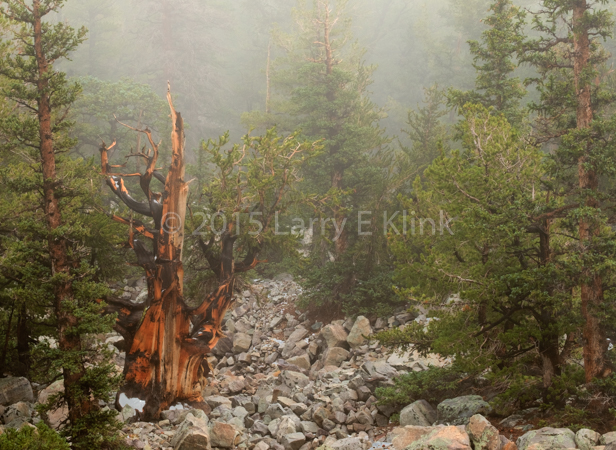
Our destination was the trailhead where we could hike to the bristlecone pine grove. We arrived at the trailhead, bundled up, and began our trek. The grove was about 1 ¾ miles away with a 1,200 foot elevation gain. The trail was rocky, interspersed with mud, snow and water puddles. We hiked past aspens and conifers. When there was a break in the clouds, we could see distant mountain slopes and sometimes Wheeler Peak itself. We made it to the bristlecone grove; it was absolutely worth the effort. I am in awe when I am in the presence of these trees that are thousands of years old.
Steadfast Bristlecone Pine Great Basin National Park, NV, OCT 2015
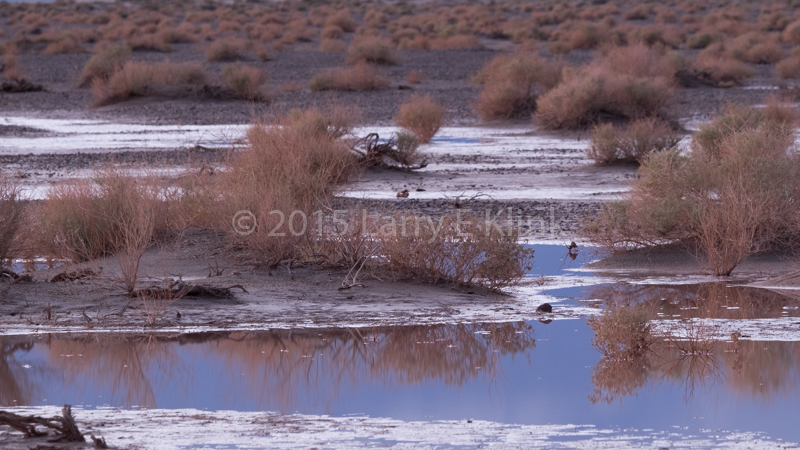
A playa with water was standing from the previous day’s storm. Death Valley, CA OCT 2015.
Death Valley is an amazing place. Especially for those of us who love the desert. In fact, the only thing missing is the sandworms. Donna and I visited Death Valley last week. We arrived the evening after a deluge – 0.5” of rain in a short period of time; slightly more than 20% of its annual rainfall. Water flowing from the box canyons washed debris over many of the roads closing most of the tourist spots.
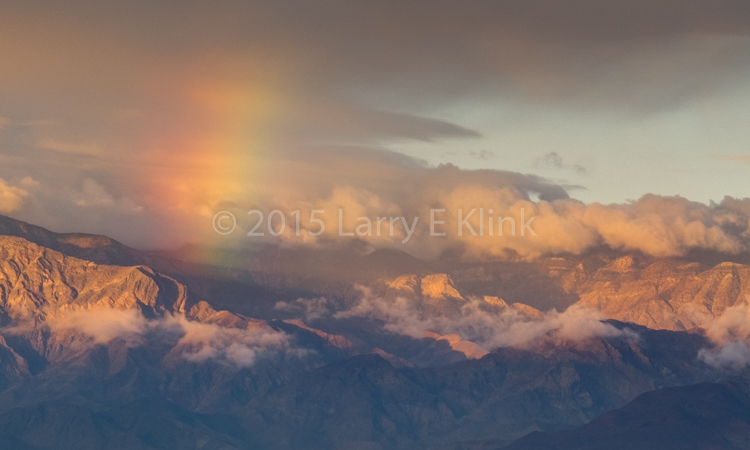
Sunrise over Zabriske Point complete with a marvelous rainbow. Death Valley, Zabriske Point, OCT 2015.
Water was left standing in some of the playas, lake beds where water flows in but not out; an unusual site for most visits. Fortunately, 2 of our favorite spots, Zabriske Point and Mesquite Dunes were accessible.
Zabriske Point is the go to place for a sunrise. The sun rises behind you and over your shoulder, casting an alpenglow onto the mountains on the far side of the valley. If you are lucky, there will be a few clouds over the far mountains and you can watch the sky turn from orange and magenta to gold and then white. It was Donna’s birthday. God was smiling upon her that day. The thick cloud cover from the previous day’s storm was breaking up. We got the beautiful color we had hoped for. But, in addition, we got a marvelous rainbow. It was an unforgettable moment.
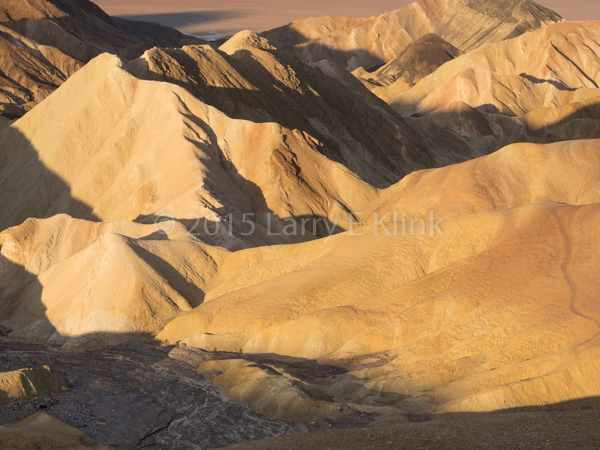
A sculptural landscape of muted earth tones with water standing in both the erosion channels and in the valley below. Zabriske Point, Death Valley, CA OCT 2015.
TV and movies give us a picture of the desert as hot, dry, sandy, flat; sometimes with sand dunes. But, much of the desert, in the Great Basin of the western US, is gravely, gray-brown, clay sediment deposited when run off from glaciers made the basins inland lakes and earlier when it was part of an inland sea. It was supplemented by run-off from the surrounding mountains. It is sparsely populated by vegetation, some fragrant and colorful. Zabriske Point is composed of sediments from Furnace Creek Lake, which dried up 5 million years ago. The sediment is painted by minerals and is heavily eroded by water washing down from the Black Mountains over untold millennia. This activity left behind a sculptural landscape, badlands, of muted earth tones. On this morning, after the storm, there was water was standing in both the erosion channels and in the normally dry playas in the valley below.
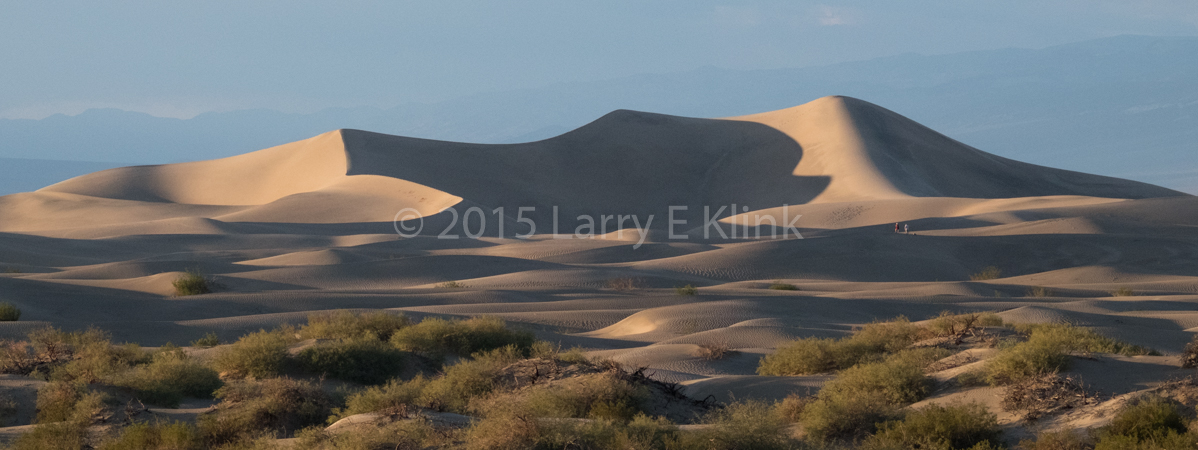
Mesquite Dunes, Death Valley, CA OCT 2015
I’ve photographed Mesquite Dunes at sunrise and sunset. Sunset seems to be the better time; especially later in the sunset when the wind carved dunes cast shadows that are deep and long. To me, the shapes created by the light and dark areas provide a texture reminiscent of a cubist painting by Picasso. It’s fun to watch the light play on the dunes as the sun sets. Shapes and textures change; color changes; all in ways that stimulate the imagination.
Shapes created by the light and dark areas provide a texture reminiscent of a cubist painting by Picasso. Mesquite Dunes, Death Valley, CA OCT 2015.
I hope you enjoy these images from our day in Death Valley. Please share them with your friends.
Mesquite Dunes, Death Valley, CA OCT 2015
Regards,
Larry
These and other images are available for sale by contacting me at larry@earthwatcehr.us or on my web site: www.earthwatcher.us.
Sometimes the light presents itself in such a way that it transforms a mundane setting into one that is stunning. That is what happened this evening. The setting sun cast a narrow beam of light that caught the fireplace in our family room, highlighting St. Francis looking upon the freesias. As I walked into the family room, I was stopped in my tracks by the beauty of the scene. I knew at once that I needed to capture and share it. I wish you could have been there with me to share the moment.














 Earthwatcher