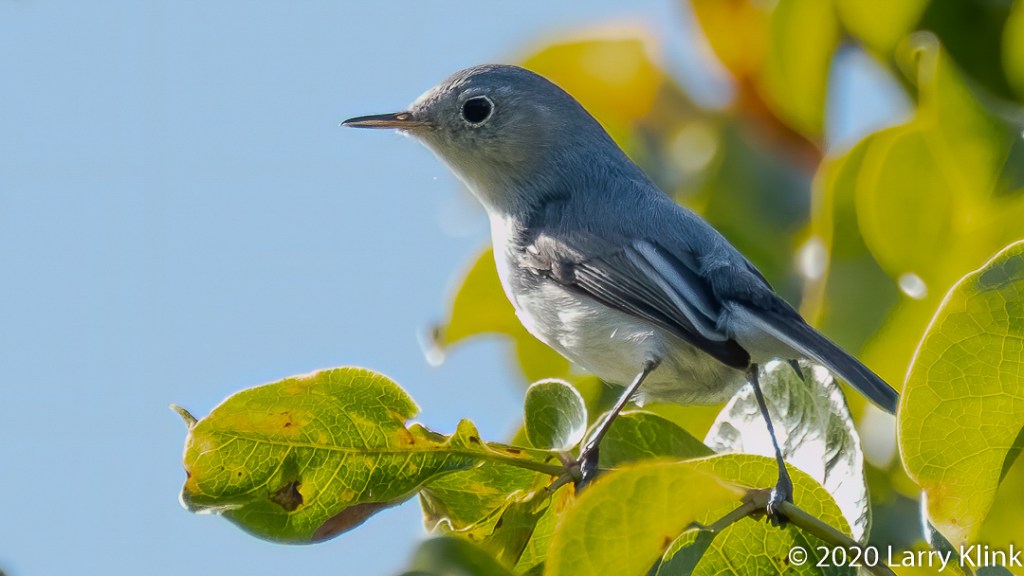
Today, I am sharing some more images from my February birding adventure in Florida. Most of the birds are songbirds. However, I have a jay and a couple of grackles in the set also.
Note: Please click on caption to see images at higher resolution.
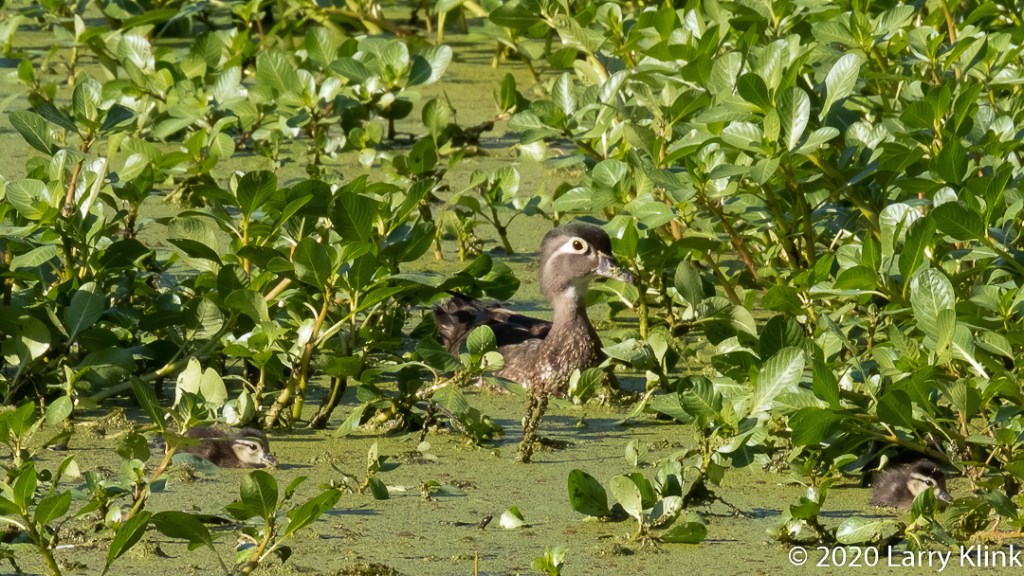
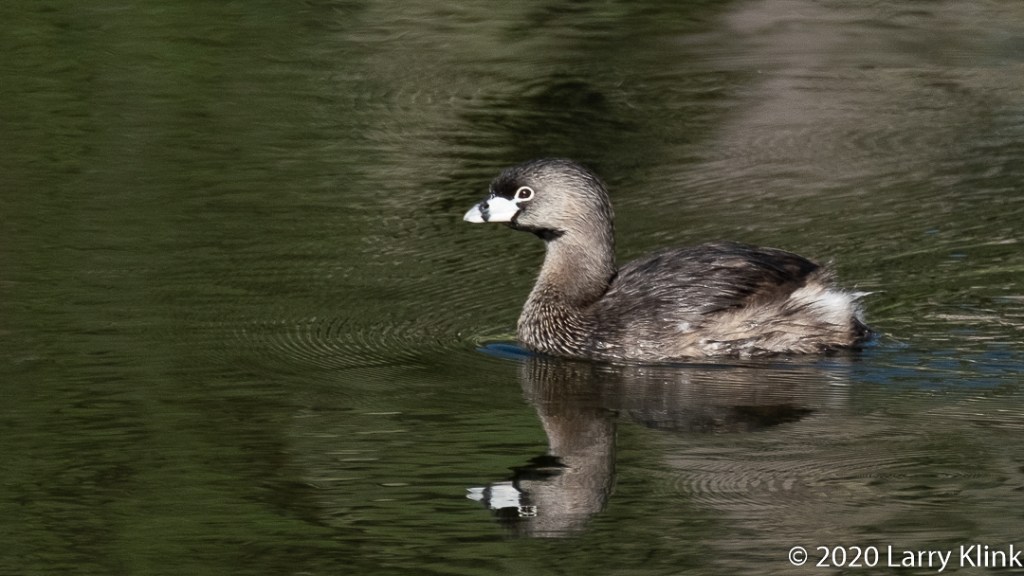
In the past 2 weeks, I have been able to get back to some of my familiar trails along the American River. It was a great time to get out because there are baby birds and there are males in their breeding plumage, all of which make this time of year special.
Please click on caption to see image at higher resolution.
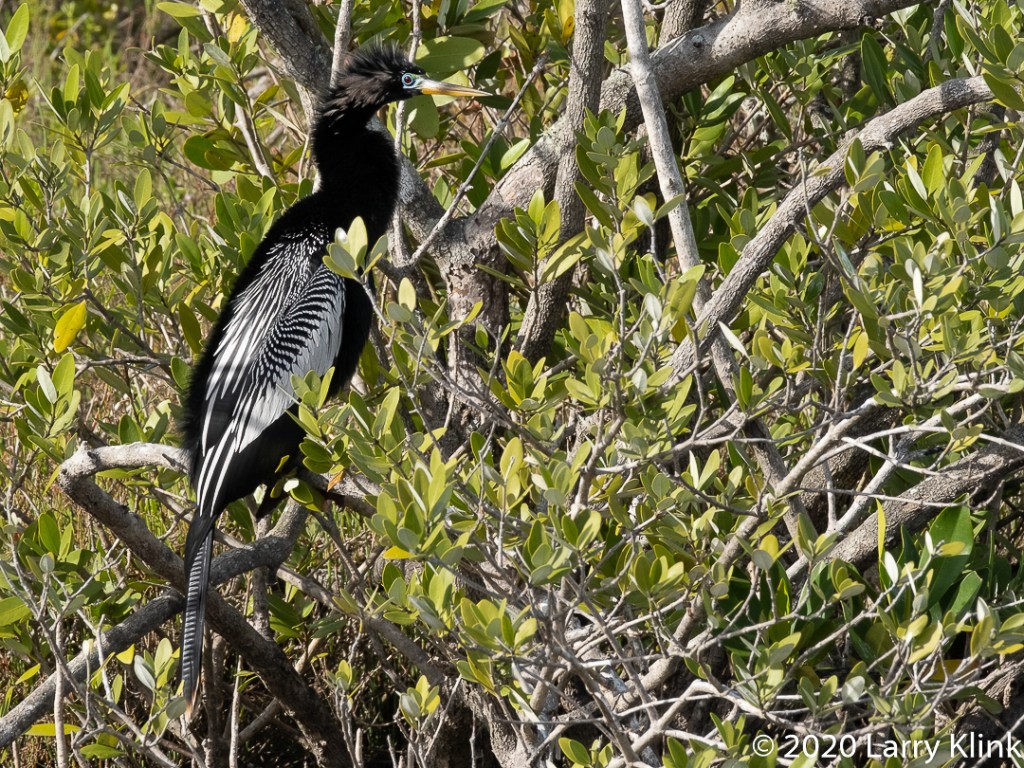
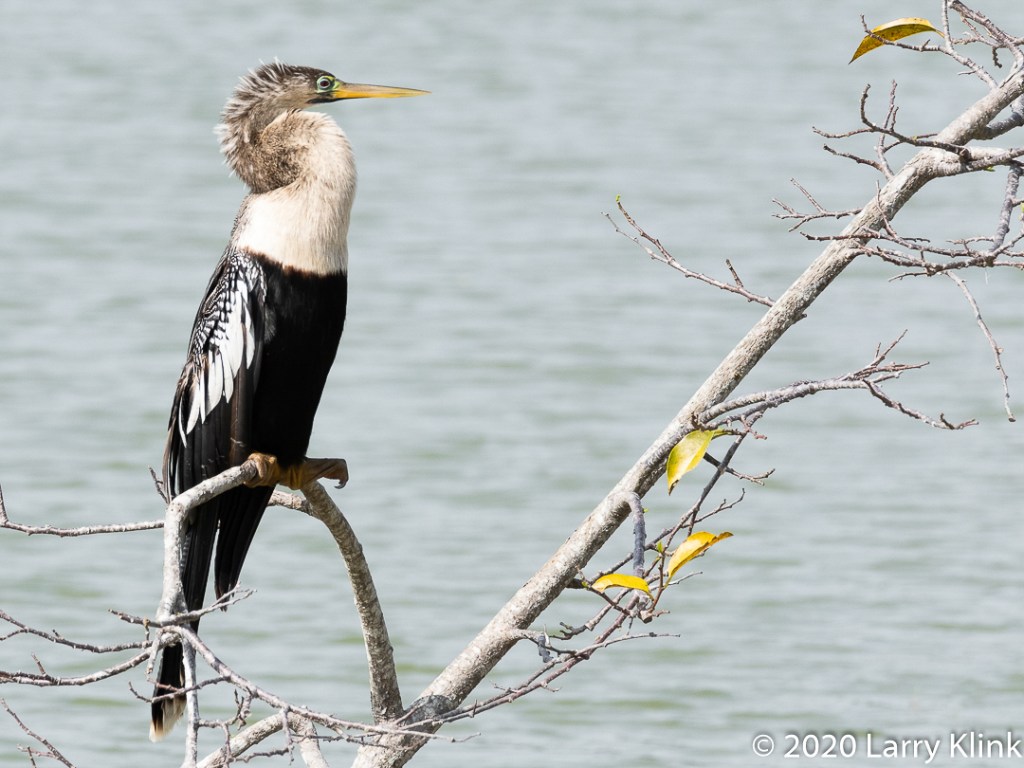
The Anhinga is water bird that looks like a Cormorant but are not Cormorants. Anhinga’s have a more dagger-like beak and longer tails. Like a Cormorant, they swim partially submerged when foraging for food. Typically, we see only their head and snake-like neck above the water line. When I see them, it reminds me of one of the iconic “Nessie” pictures. The name Anhinga comes from the Brazilian Tupi language, meaning snake bird or devil bird. They mostly eat fish which they spear with their dagger-like beak.
Anhingas are found along the coasts of Southeastern US, Mexico, Central America and the Caribbean. They nest in colonies with Herons, Egrets and Cormorants.
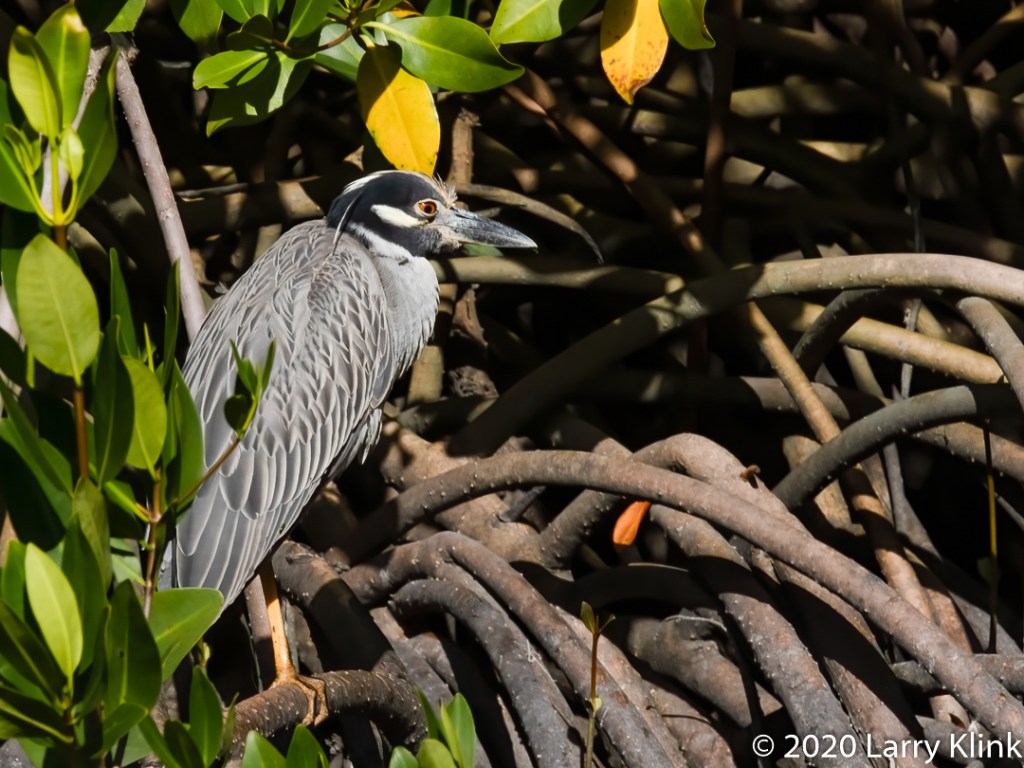
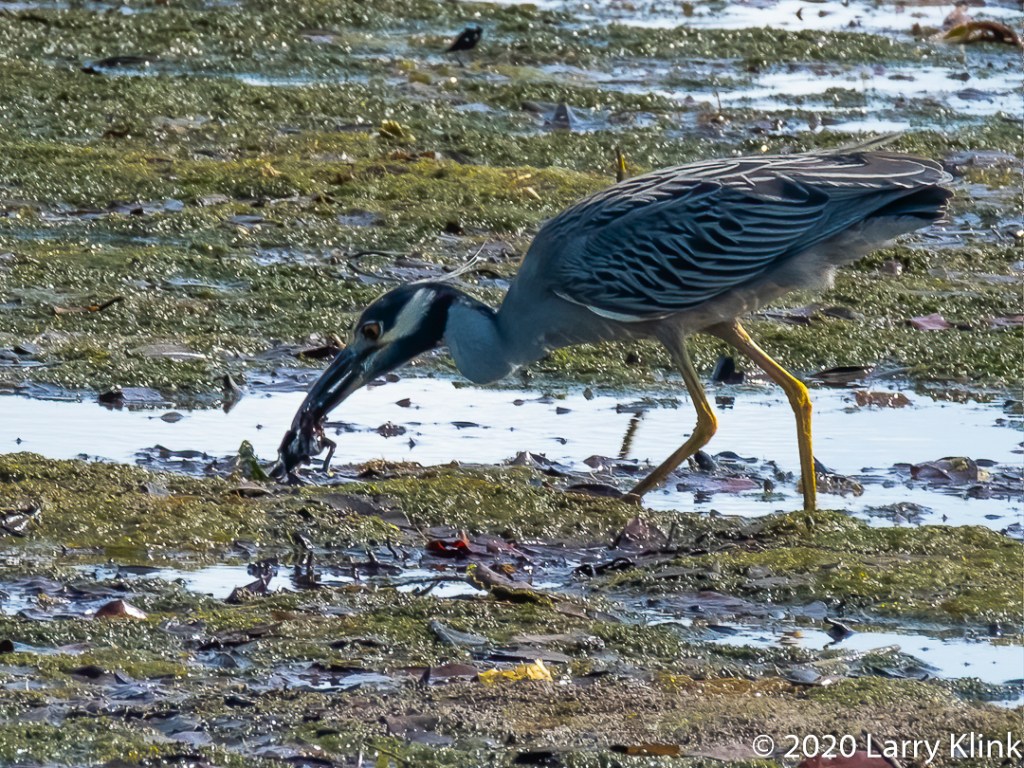
Night Herons are medium sized herons that forage mostly at night. In this post, I have images of both the Black-crowned Night Heron and the Yellow-crowned Night Heron.
The Black-crowned Night Heron is found in wetlands across most of the North America, though some winter over in Mexico and Central America. They forage in early morning and evening where they feed on a wide variety of fresh water and marine animals. They nest in colonies with other Black-crowned Night Herons.
The Yellow-crowned Night Heron is found mostly along the Atlantic coast of Florida and along North America’s Gulf coast, though some do move much further inland to breed. They are also found along the coasts of Mexico, Central America and the Caribbean.
The Yellow-crowned Night Heron feeds mostly on crustaceans. They nest alone or in colonies with others of their kind.
Info from: All About Birds by Cornell Labs
Note: Please click on caption to see image at higher resolution.
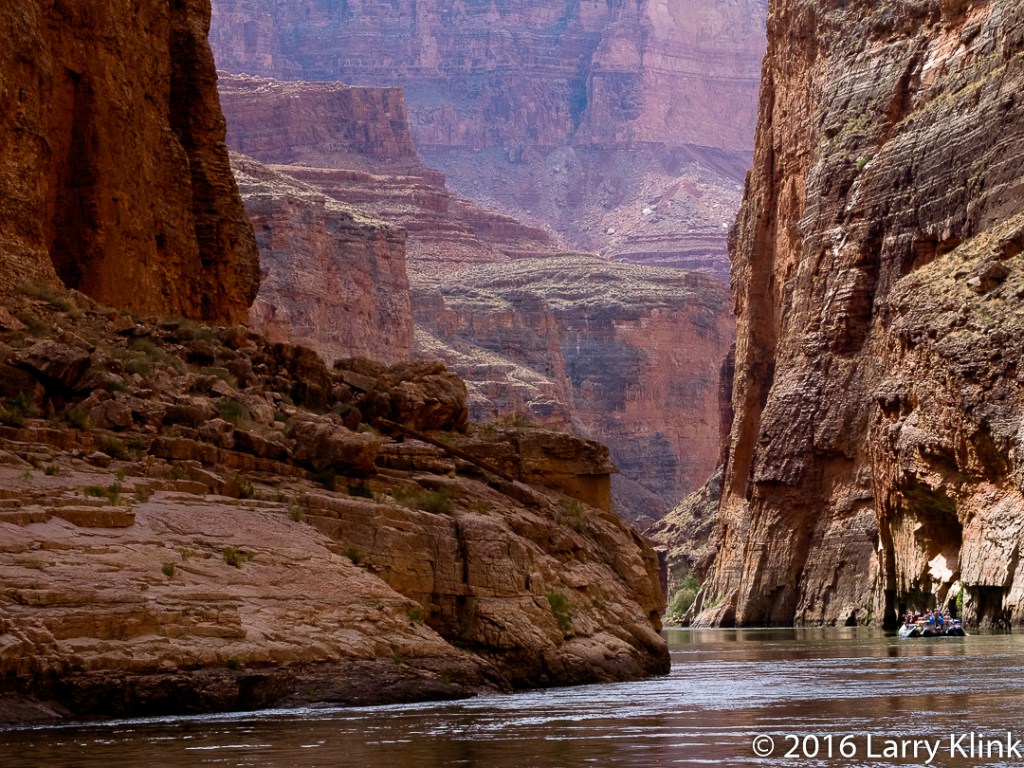
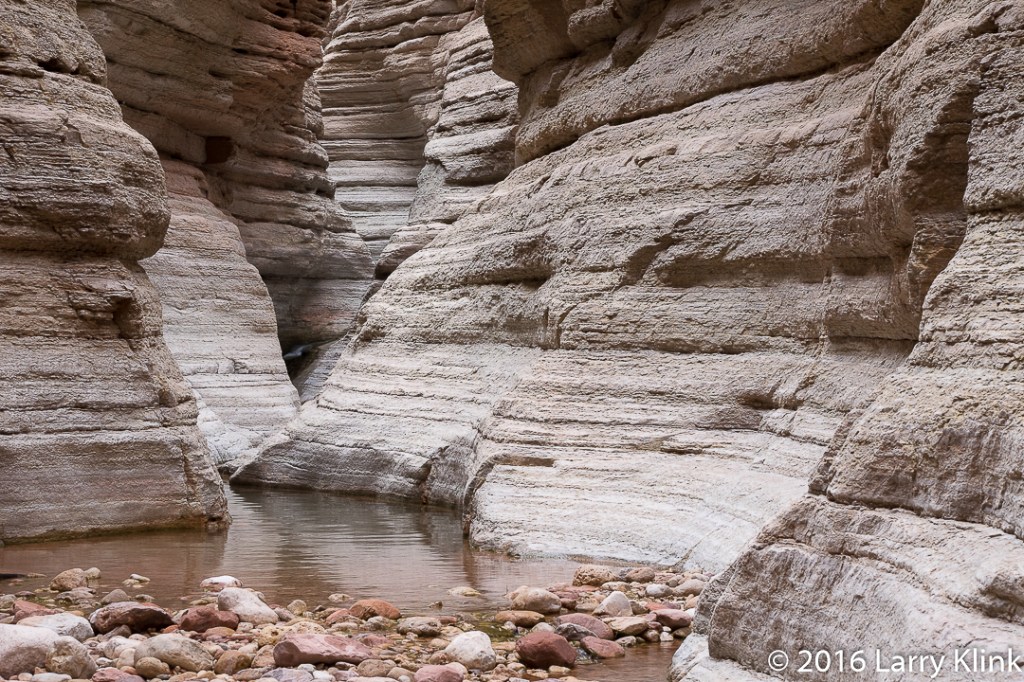
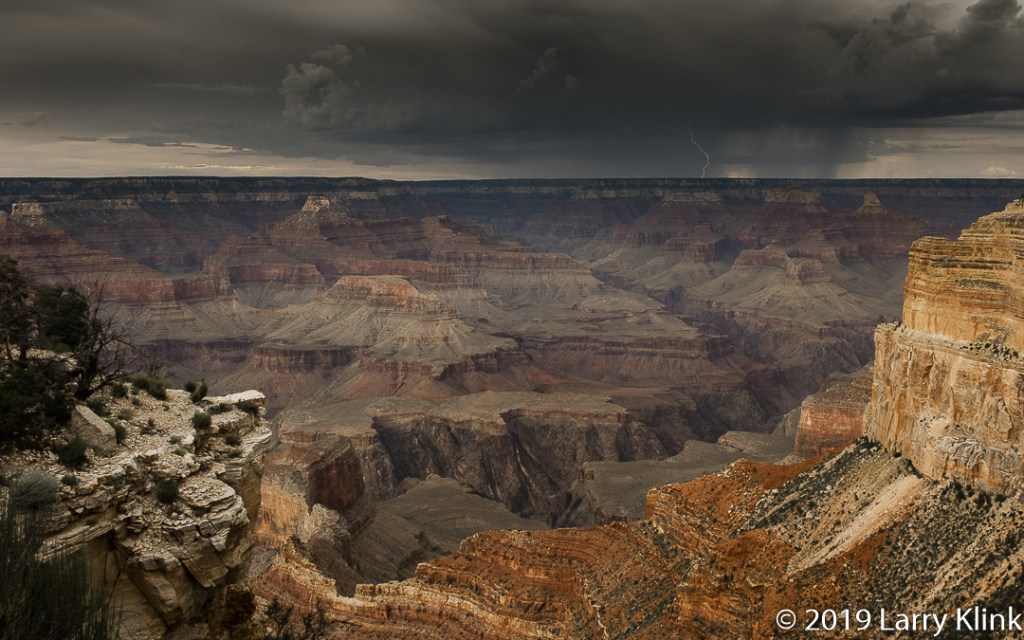
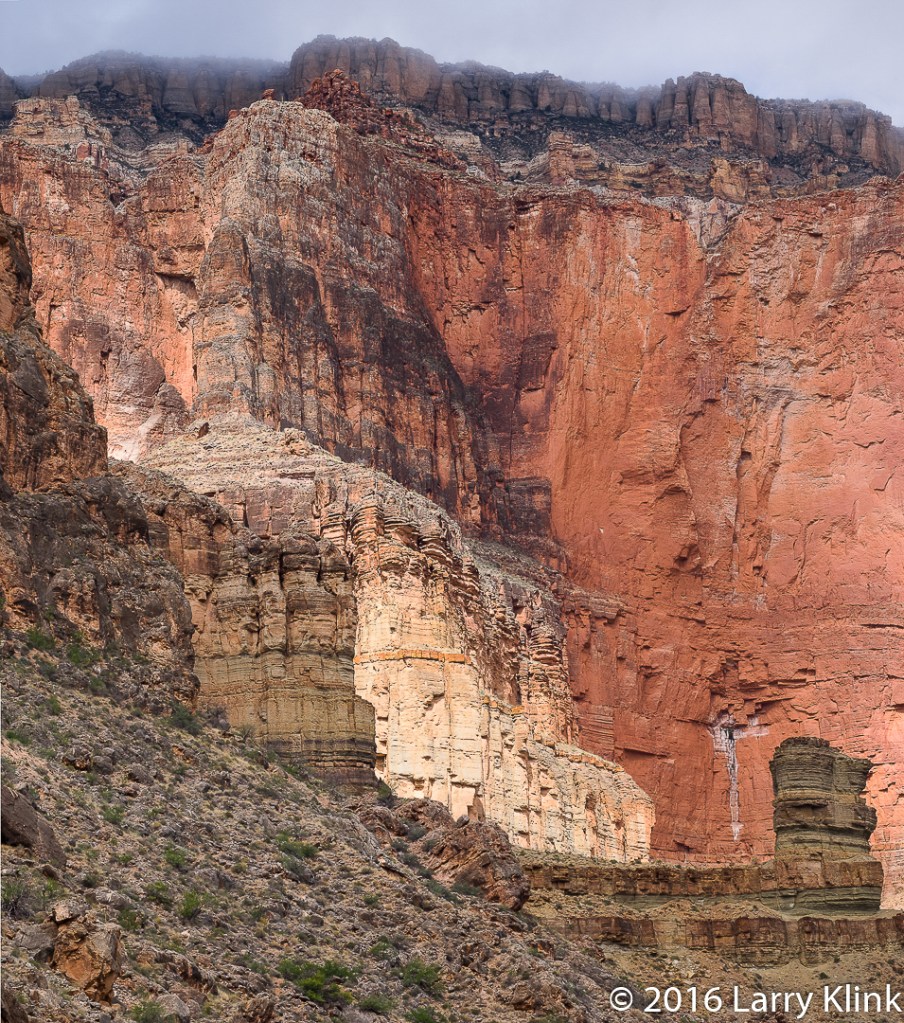
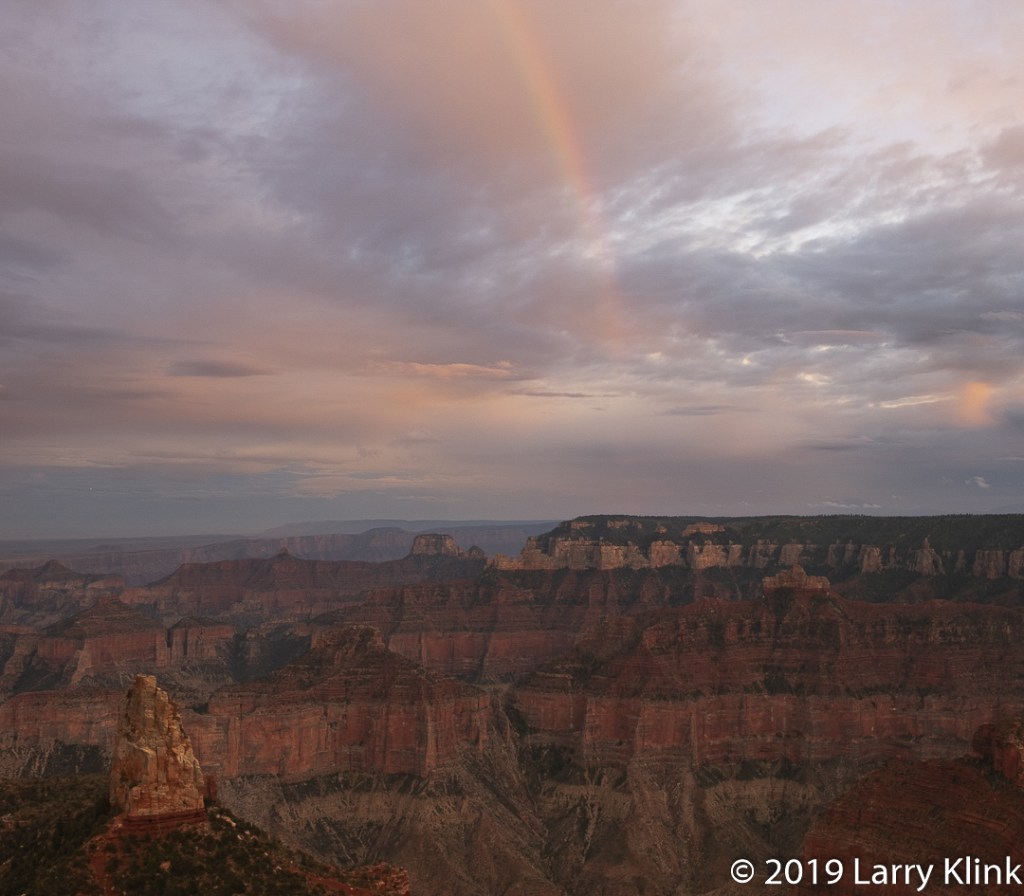
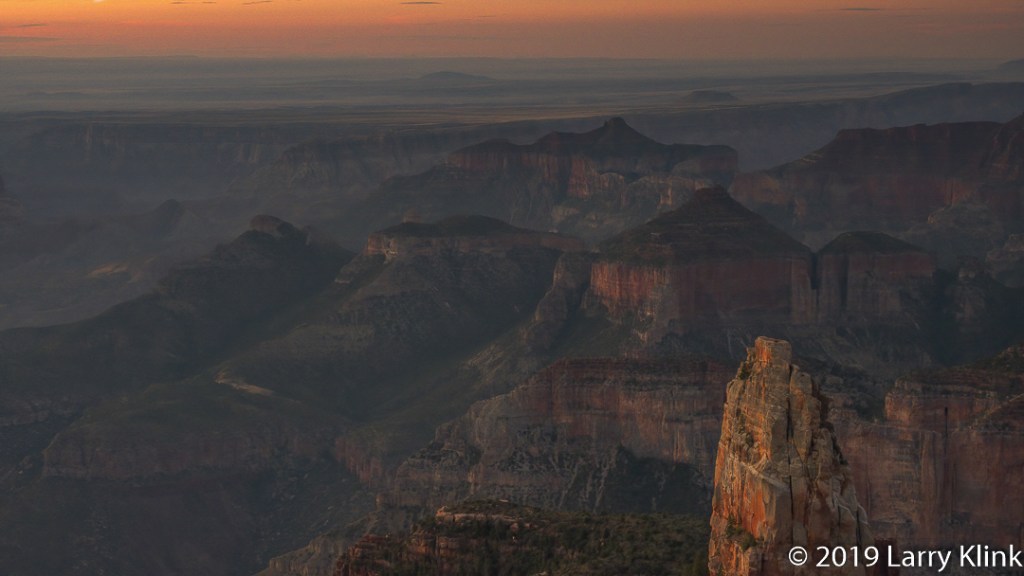
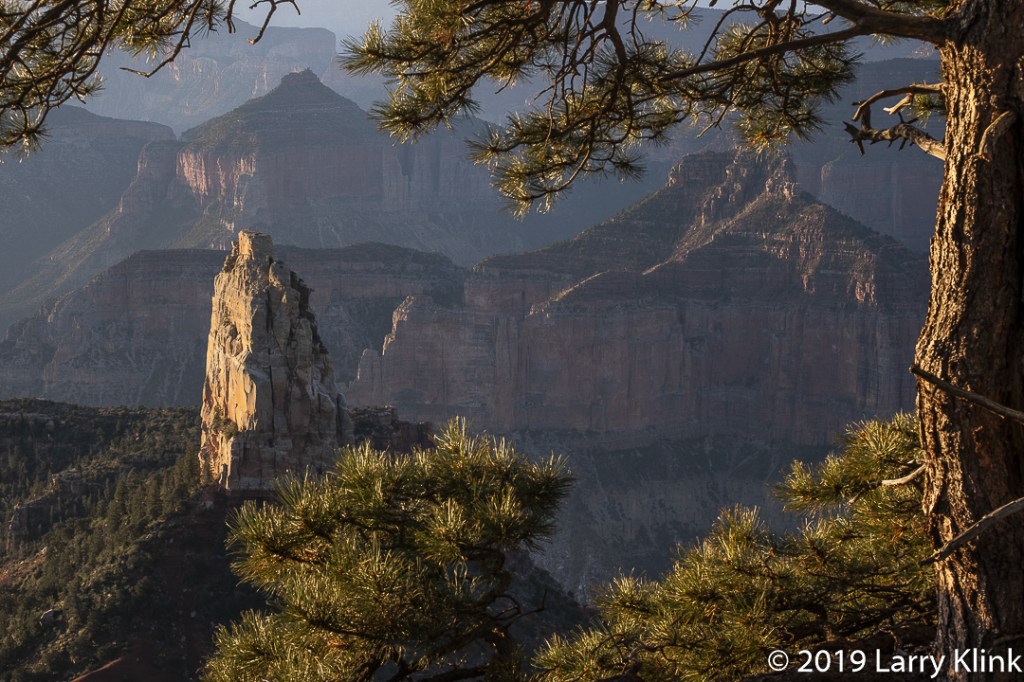
I have a friend, Gary Hart, who leads some of the best photography workshops you will ever find. Two of m favorites were to the Grand Canyon. One was to raft the Colorado River and the other to photograph lightening from the rim. Here are some images from those trips.
Note: Please click on caption to see images at higher resolution.
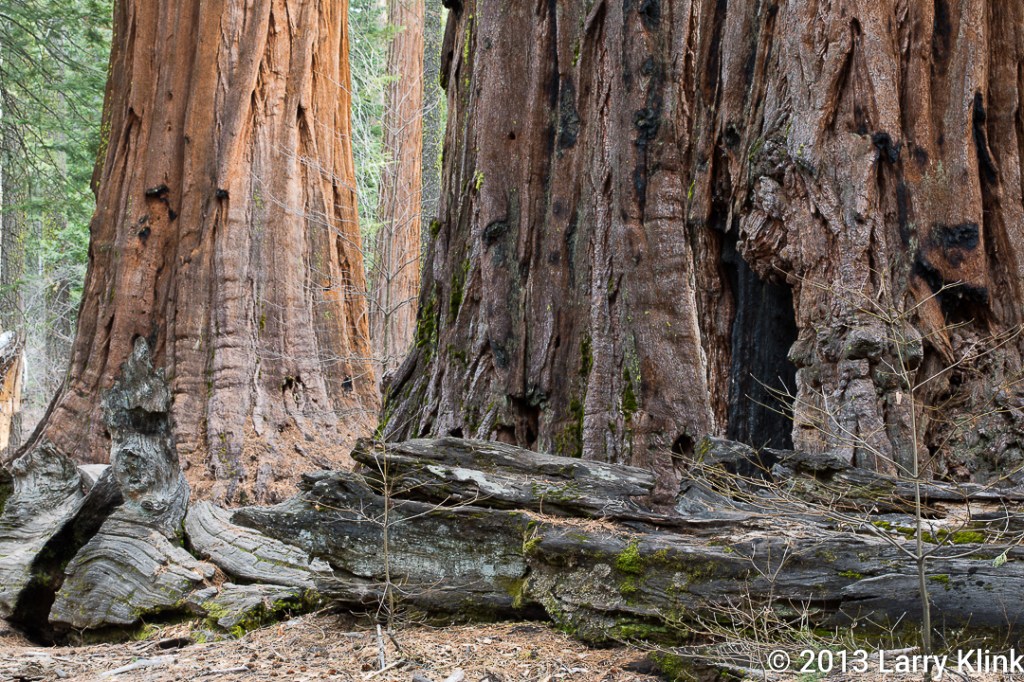
Today I am featuring some special trees: The The Great Basin Brisltecone Pine (Pinus longevea), the Coastal Redwood (Sequoia sempervirens) and the Giant Sequoia (Sequoiadendron giganteum). Most of the images are from California but one comes from Great Basin National Park in Nevada.
There are only 8 groves of the Giant Sequoia in the world. They are all located in the Sierra Nevada mountains of California. These wonders grow more than 300 feet tall with diameters that exceed 50 feet. The branches on these trees are often bigger than the trunks of trees I see every day.
The Coastal Redwood is found only along the coasts of Northern California with just a slight incursion into Oregon. These trees are the tallest in the world, reaching heights in excess of 375 feet and diameters in excess of 30 feet. Many of these trees are over 600 years old with the oldest known tree 2,200 years old.
The Bristlecone pines are small, gnarled, ancient trees some of which have lived more than 5,000 years. They grow at high altitudes and like poor soil conditions. They are tough old buggers.
Note: Please click on caption to see image at higher resolution
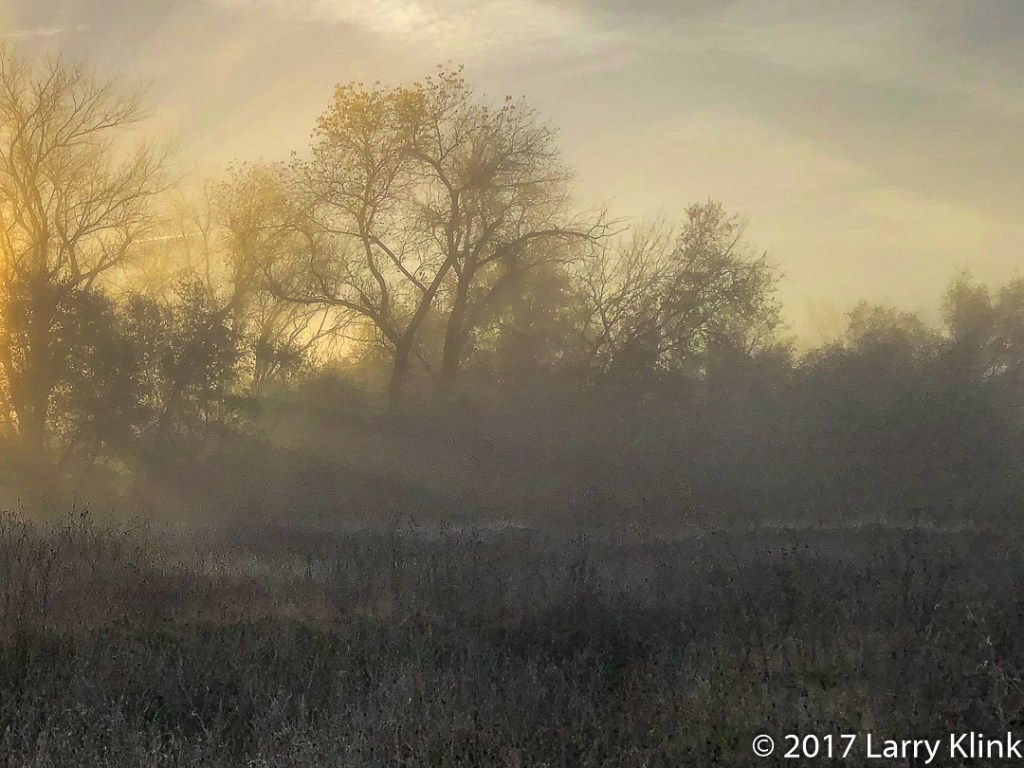
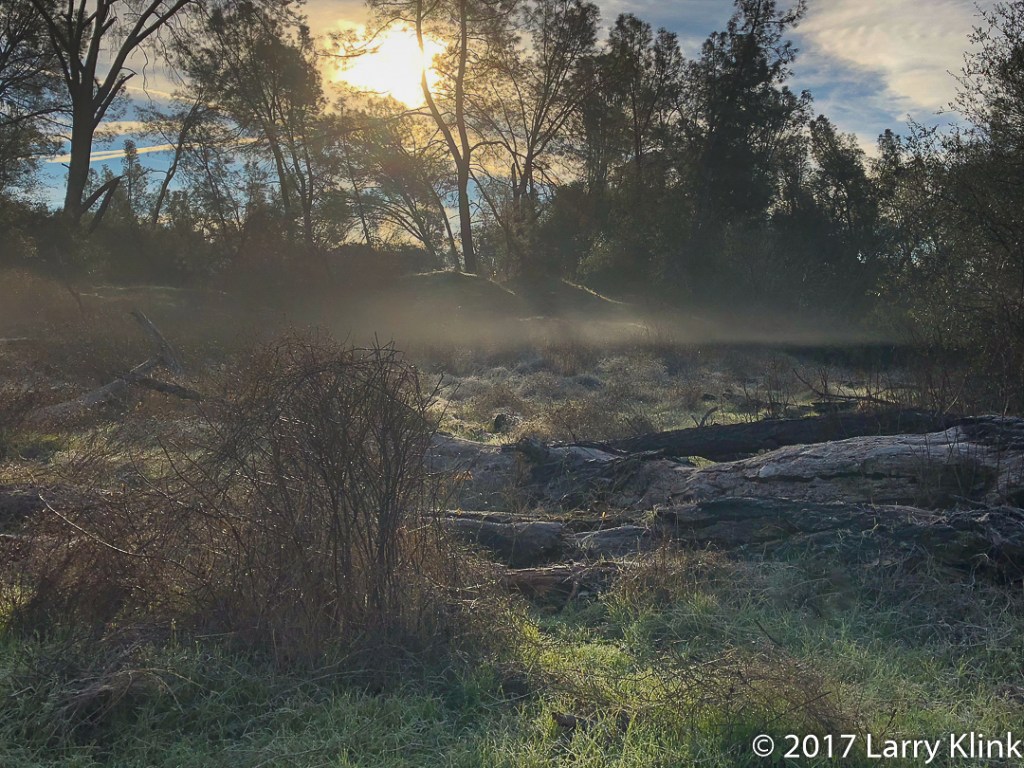
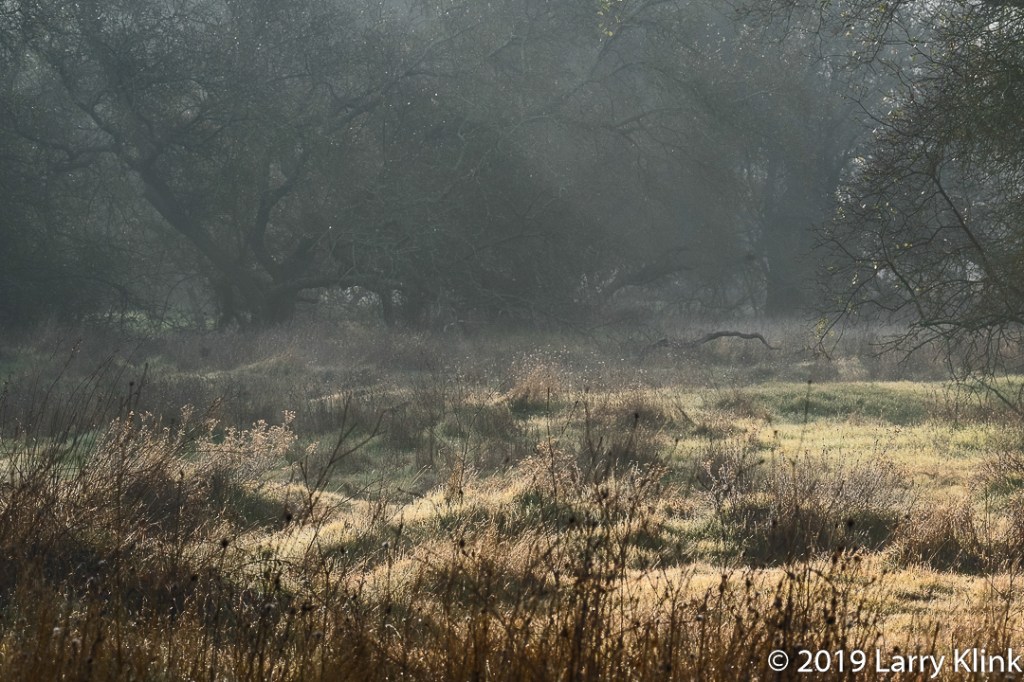
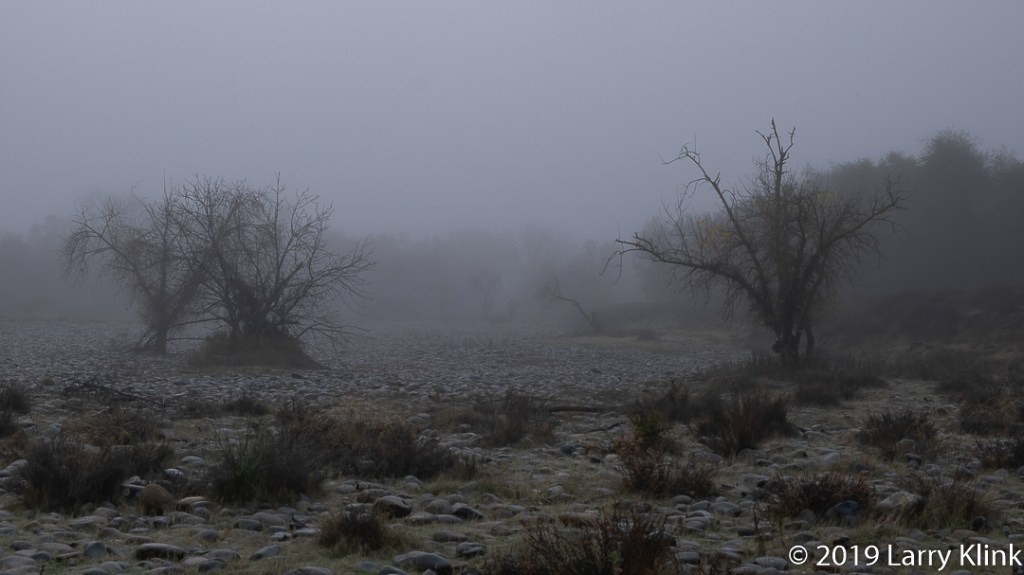
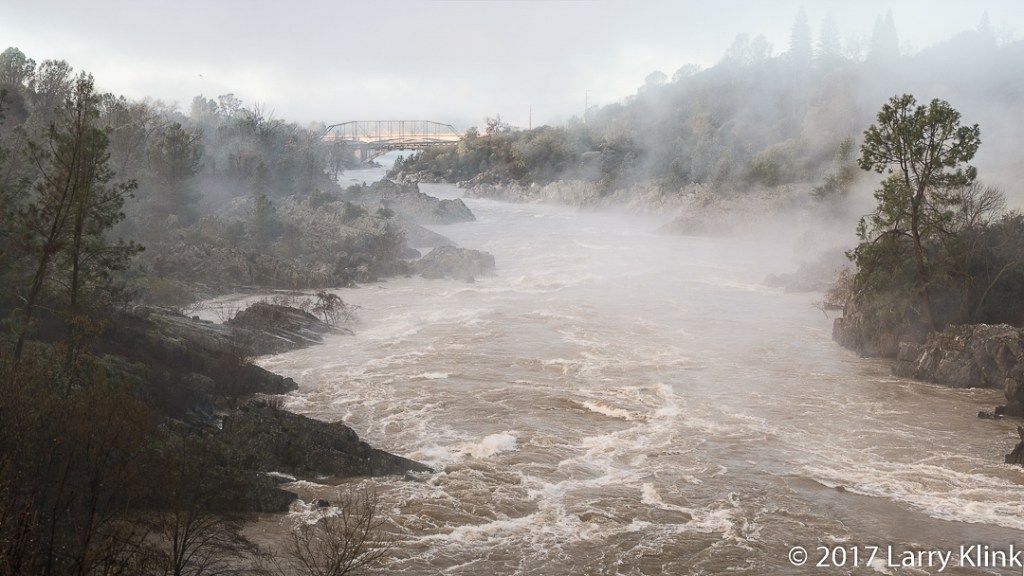
I love to walk. One of my favorite places is along the American River Parkway. The parkway is a 39 mile, paved biking and hiking trail that follows the American River between downtown Sacramento and Folsom Lake. There are also many dirt paths off the main trail that let you enjoy the riparian oak woodlands along the river. Here are a few scenes from my hikes.
Note: Please click on caption to see image at higher resolution.
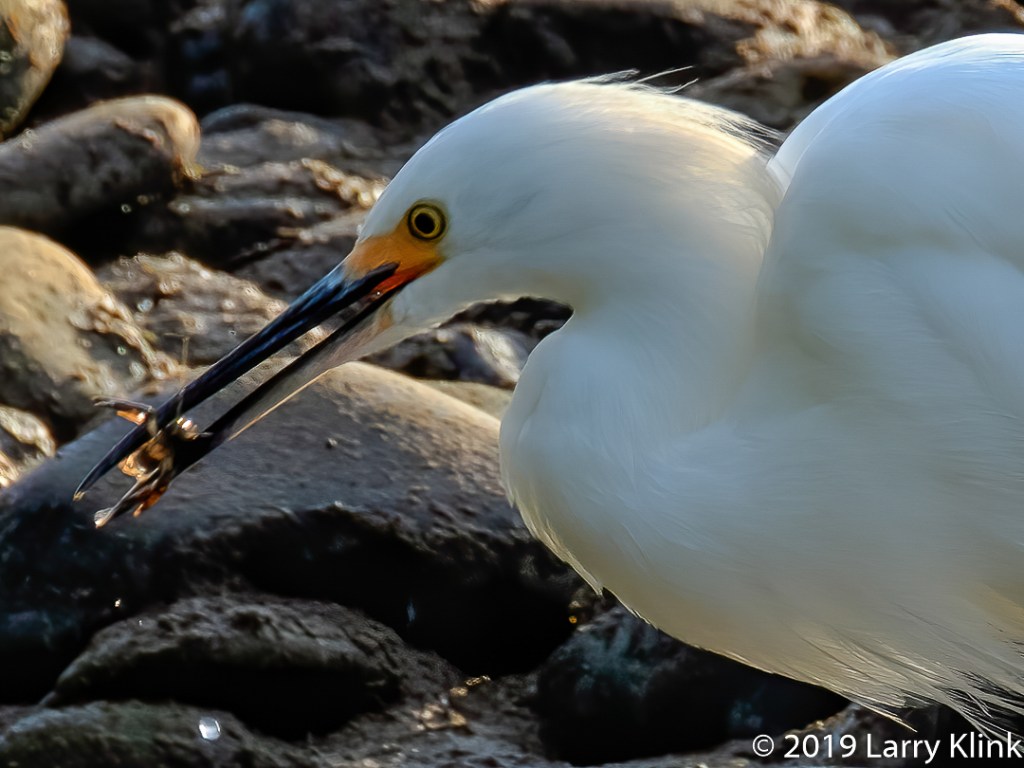
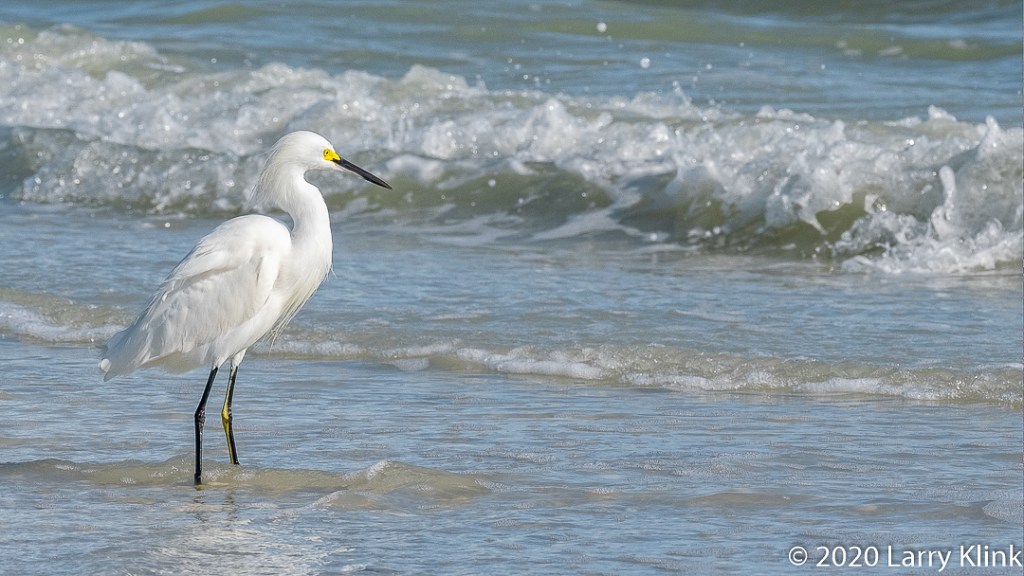
The Snowy Egret is an elegant bird with bright white plumage, black beak and legs and bright yellow feet. When it displays its long, curved plumage, it is gorgeous. They can be found, year around, along the coastal waters of the US, Mexico, and the Caribbean. But its migration and breeding periods takes it into much of the interior of the US.
Like other egrets and herons, they nest high in trees, in colonies, with other similar birds. They forage on frogs, worms, crustaceans, and insects. I find watching Egrets and Herons stalk fascinating.
The Snowy Egret is noticeably smaller than its cousin the great egret; the one that is tall and has a yellow beak. When you see an egret, look closely; it might be a Snowy or, it might be a Great.
In this set, I mixed a few pictures from our recent trip to Florida as well as some I have taken locally.
Note: Please click on caption to see image at higher resolution.
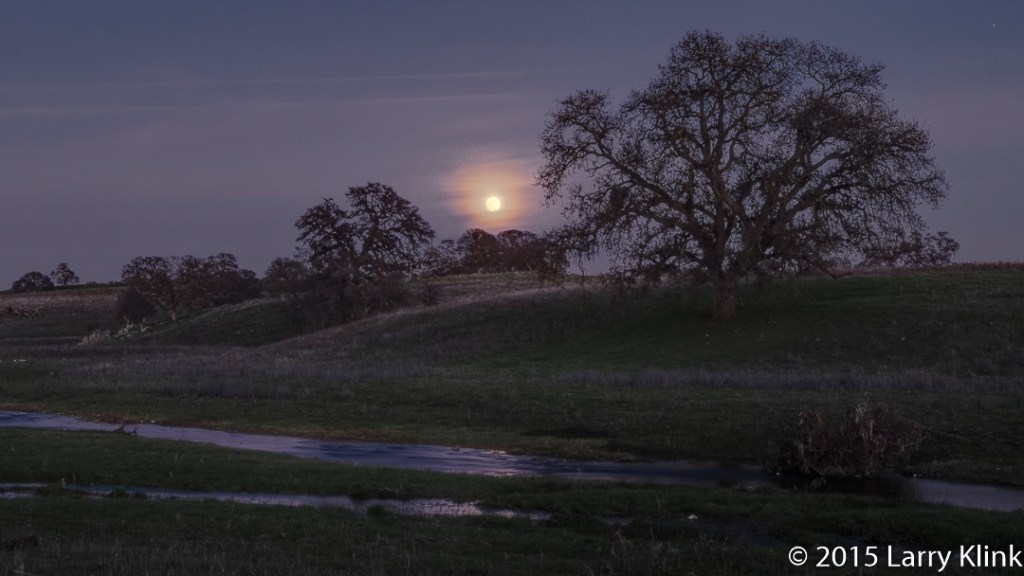
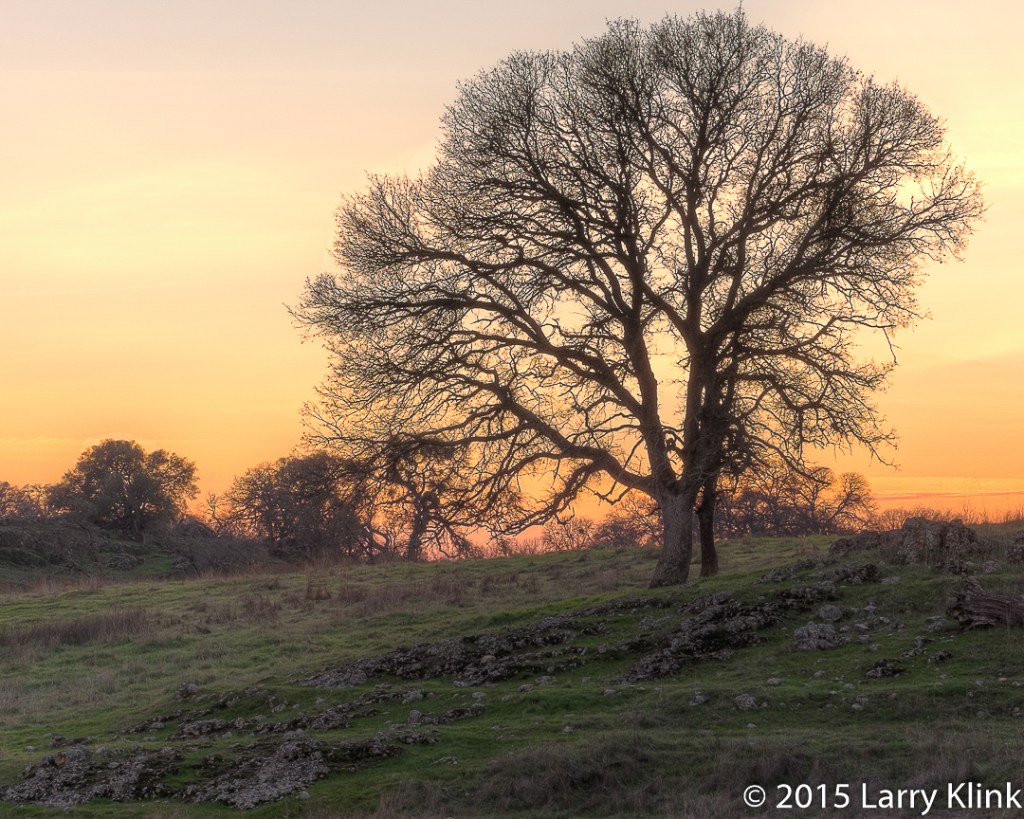
Today I decided to share a few scenes from the area around Folsom, CA. Folsom is the site of the Folsom Prison that Johnny Cash put on the map. But there is more. It sits along the American River near the western end of the Sierra Nevada foothills. The small section of old town Folsom is still very nice. The outskirts are surrounded by oak woodlands primarily used for ranching.
Note: Please click on caption to see image at higher resolution





























 Earthwatcher