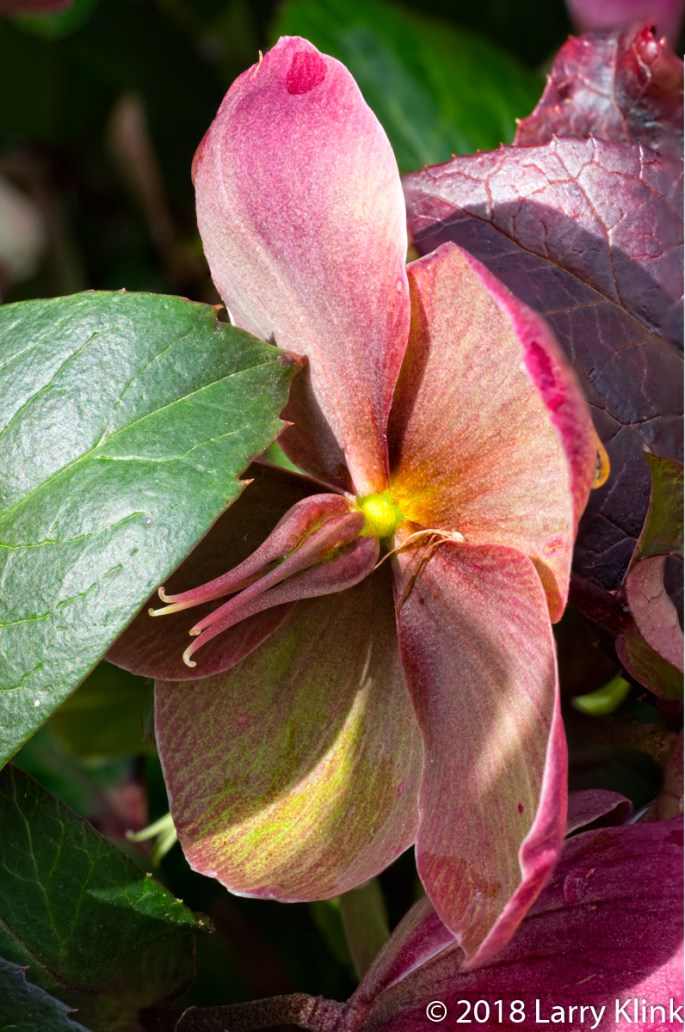
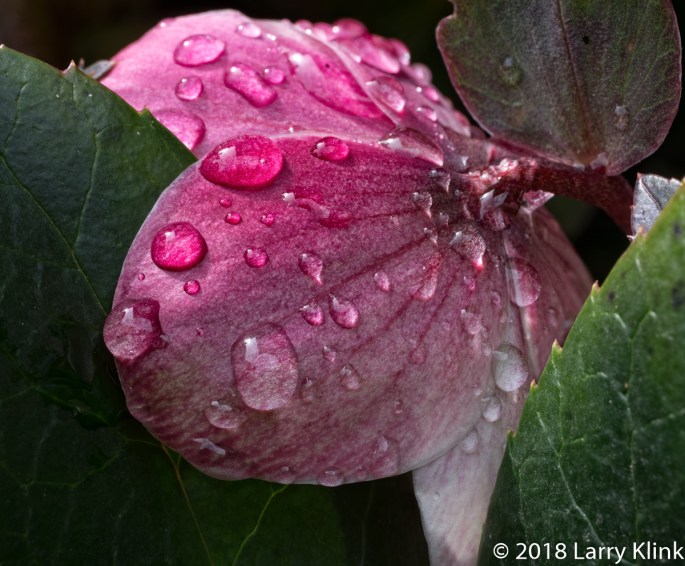
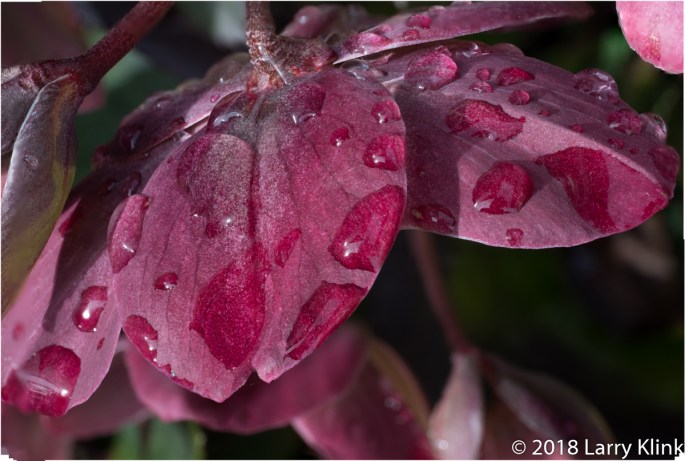
The Lenten Rose, or Helleborus, is a beautiful flower that blooms much of the year for us in the Sacramento area. But, the blooms are at their most spectacular in the spring. Most of the flowers are a dusty rose color but they are sometimes yellow, green or a creamy white. For me, I love looking out the front door at our 2 plants. I took these images in the early morning, after a rain. I hope you enjoy them too.
Regards,
Larry
Note: Click on Caption to see image in larger size and higher resolution
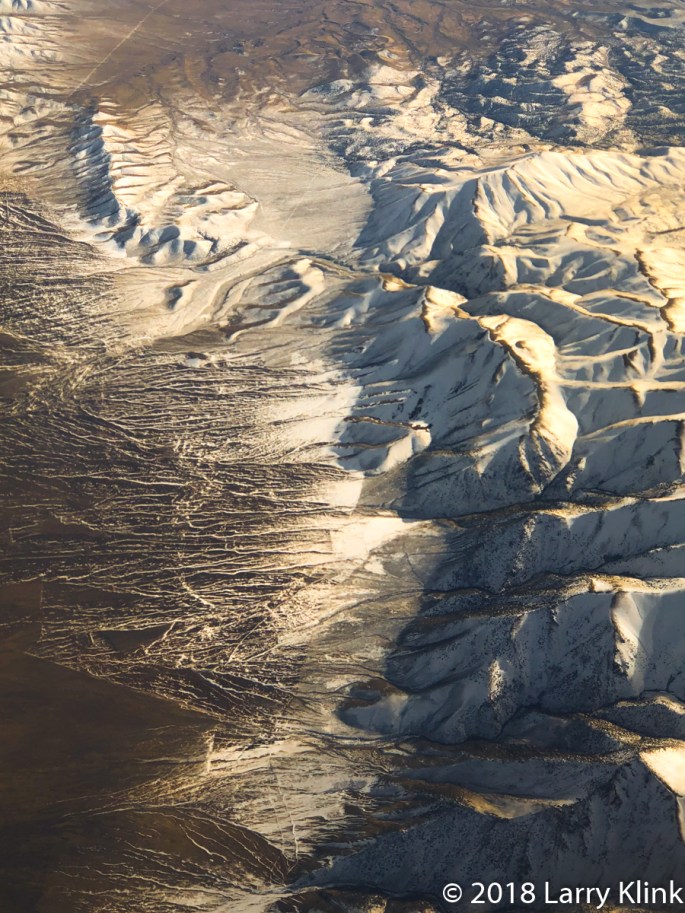
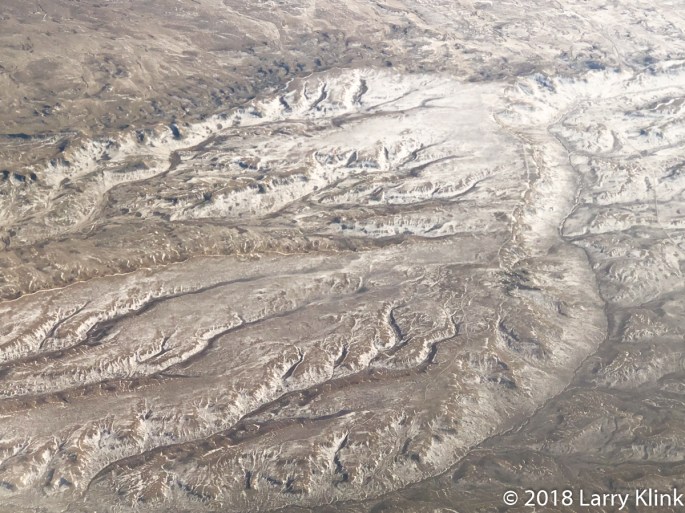
Abstract art uses color, shape and line to create a pleasing image. That image may or may not represent something real. In photography, you arrive at the result through a different route. You find a candidate and create a composition that emphasizes the pattern created by the color, shape and/or line over the subject itself.
I am a primarily a landscape photographer. As I progressed and learned more about that art, I became fascinated with the questions about how a scene evolved; what processes shaped it in the past and what processes are shaping it today. As I observed, I began to see the patterns and to understand how to recognize the effects of the wind, water and tectonic events that influenced it. I also began to see how the patterns repeated themselves in different ways in different objects. It is those patterns that often make a wonderful abstract image.
On a recent cross-country trip, we flew over the high plains of Kansas and the foothills and peaks of the Rocky Mountains. In many places the snowpack was broken; ice and snow lay in the crevices where snowmelt flows, while the remaining surfaces were clear. I was struck by the patterns that I saw. Erosion created patterns like those of a bush branching or leaves branching on a stem. In one spot, I saw a fish backbone with its tiny ribs extended. Using my trusty phone camera, through an airplane window, I created some abstracts from the landscapes I love.
I hope you enjoy these images. Reflect on the patterns – what do you see?
Regards
Larry
Note: Click on Caption to see larger, higher resolution image
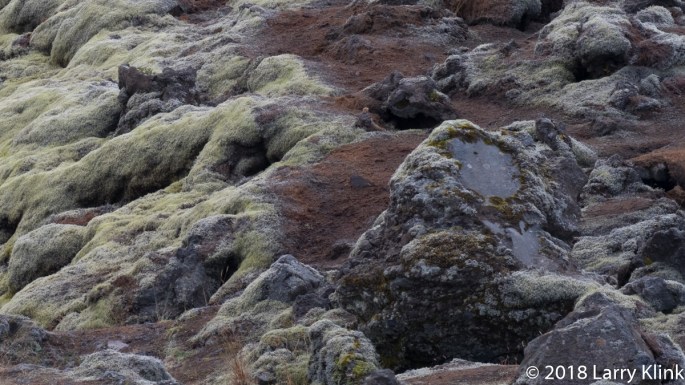
I was intrigued by the Lava Fields that I saw in Iceland last summer. A lava field, or lava bed, is a flat plain over which lava flowed and cooled. The ones that intrigued me the most were those that looked like rocks strewn at random. But what really caught my eye was how nature found a way to turn this area of desolation into a soft blanket of green. Lichens took over and attached themselves to the rock. Low shrubs invaded and even a clump of trees found a way to survive. The images I am sharing attempt to convey the beauty of these features. I hope you enjoy them.
Regards,
Larry
Note: Click on caption to see larger, high resolution copy of image.
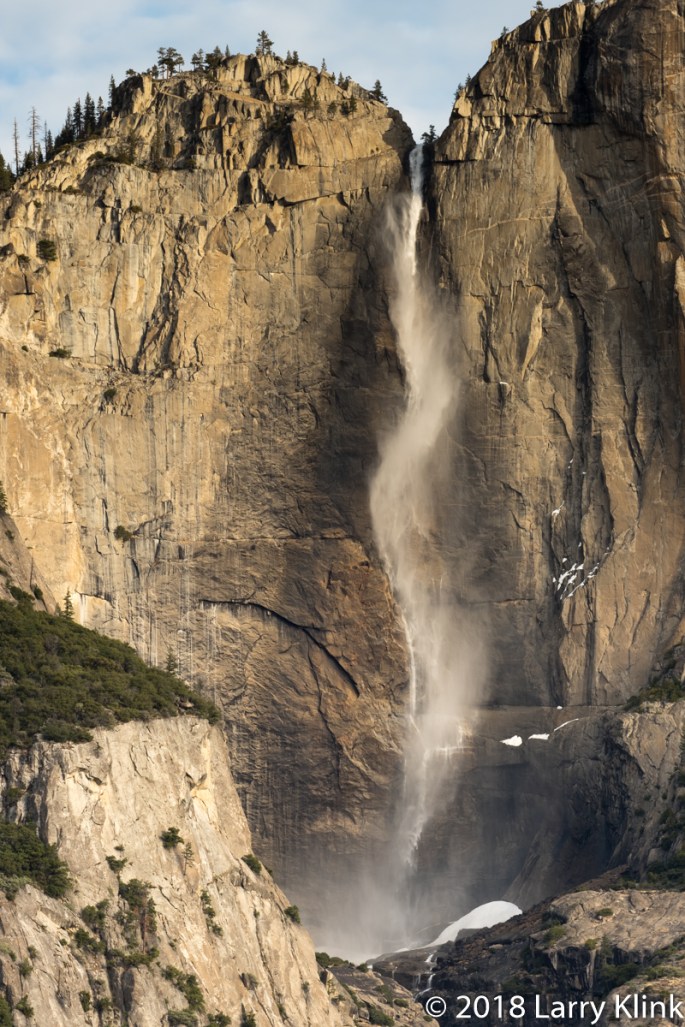
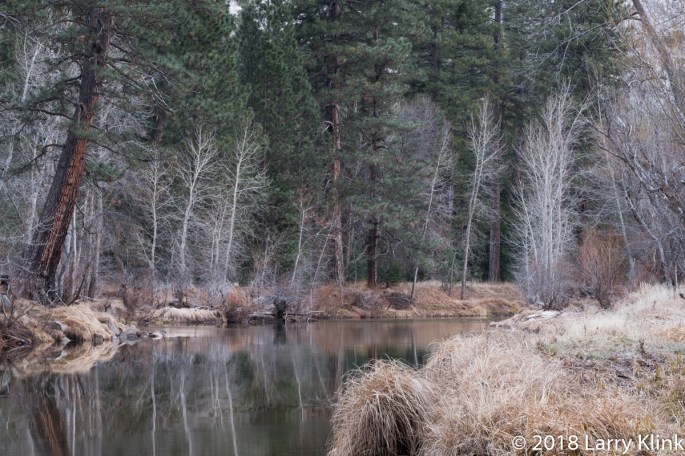
We recently visited Yosemite National Park. On the day we visited, I decided to look for perspectives that aren’t commonly photographed. I love the iconic images but there are lots of nooks and crannies that provide wonderful landscapes. I hope you enjoy these images.
Regards,
Larry
Note: Click on caption to see image at larger size.
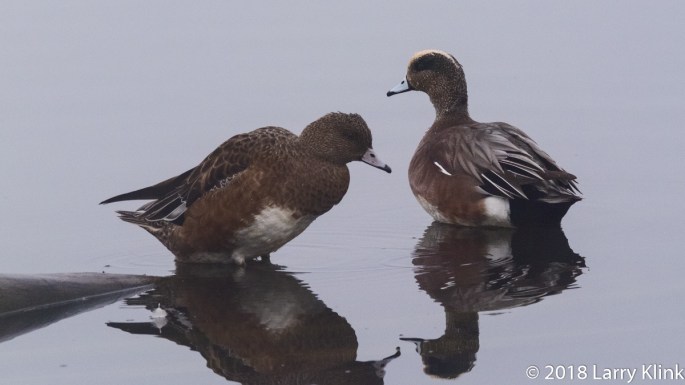
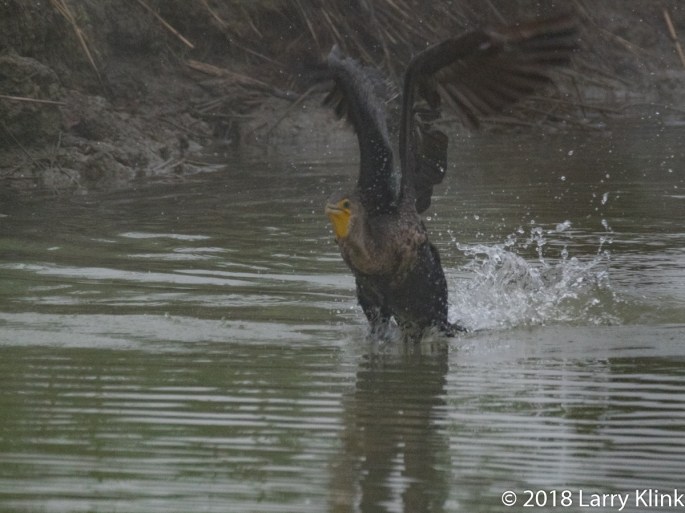
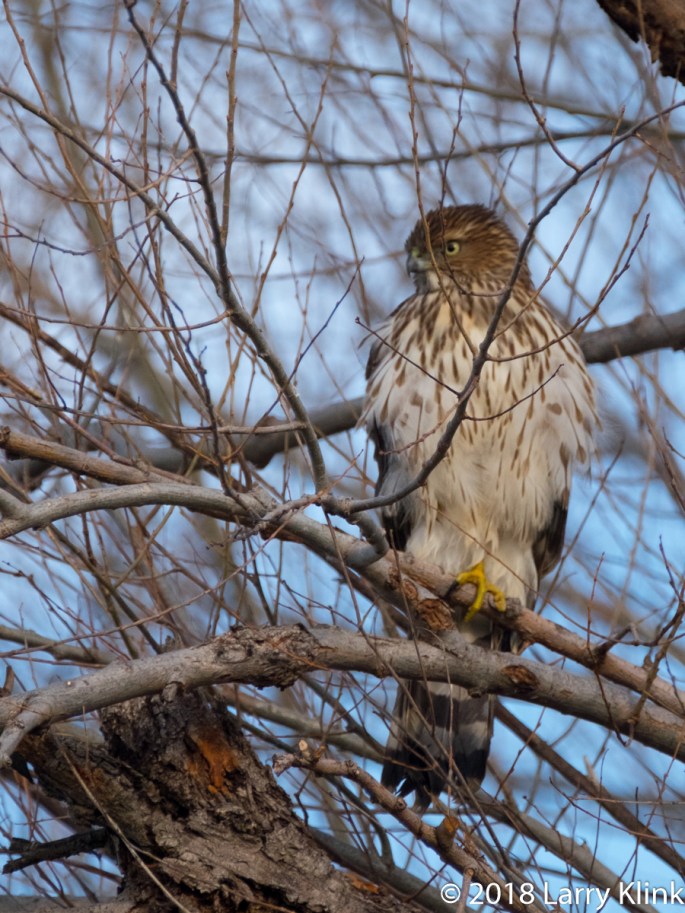
A few days ago, I shared some images of the less common sightings at these 2 major refuges on the Pacific Flyway. But, the usual suspects were there also. Today, I will share a few images from this set.
Regards,
Larry
Note: Please click on caption to see image in larger size.
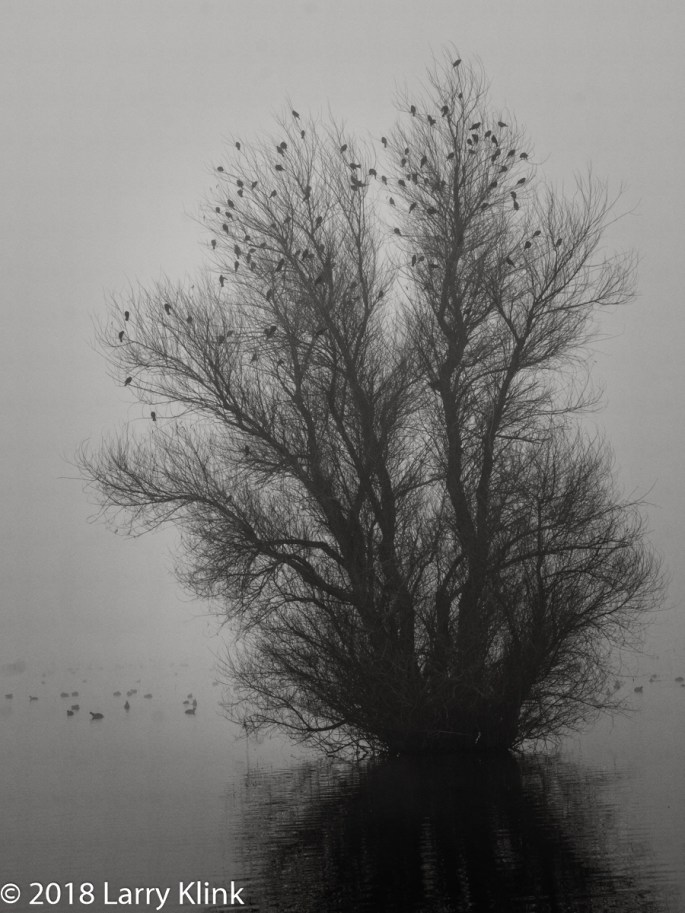
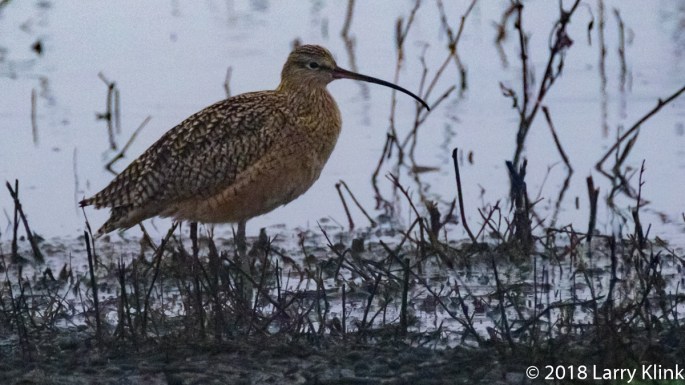
Our visit to the Sacramento and Colusa National Wildlife Refuges found us in fog an low light. These conditions make photography more difficult but also present some interesting opportunities for unique and special images. Additionally, on this visit, we were treated to some birds that we don’t normally see. I hope you enjoy these images.
Regards,
Larry
Note: Please click on caption to see image in larger size.
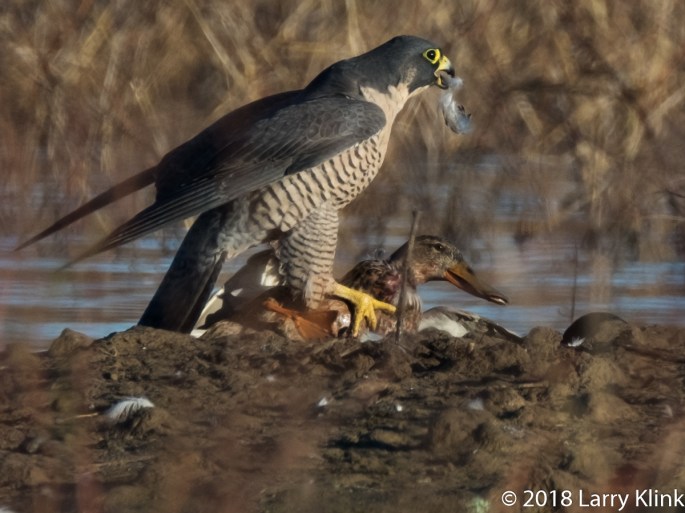
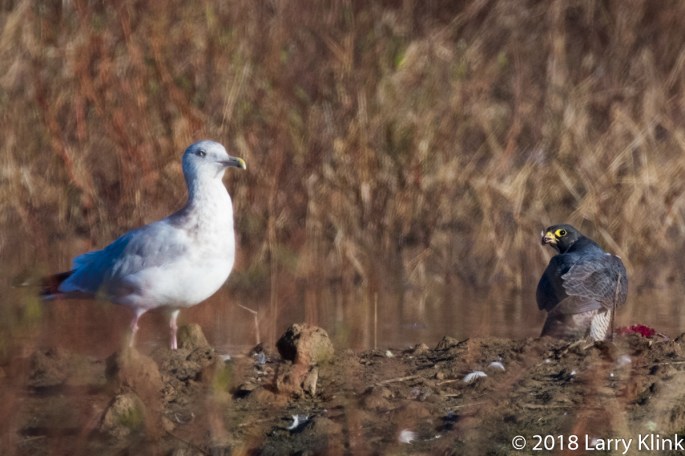
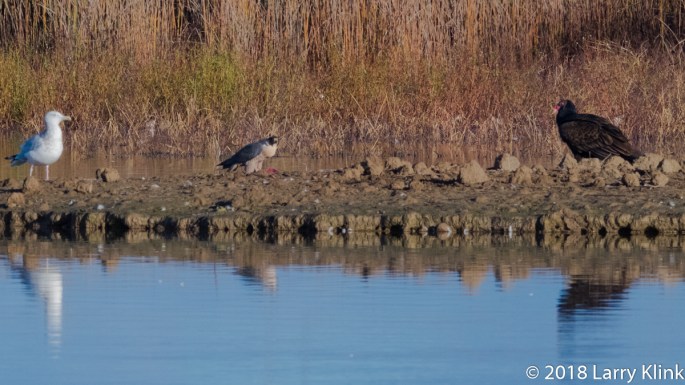
No, not government agents vs. protestors. On Jan 7th, Donna and I visited the Sacramento National Wildlife Refuge near Willows, CA. The highlight of the trip was a standoff between a peregrine falcon, a gull, and a Turkey Vulture. The falcon was standing guard over a female mallard. It was not clear if he brought it down himself or found it. Regardless, he was guarding his prize. The first interloper was the turkey vulture. He made some strafing runs at the falcon and was able to drive him off for a short period of time, but the falcon eventually prevailed. The second interloper was a gull, possibly a herring gull. It was a lot more reticent. It mostly stood watch while the falcon ate. But, he did try one attack. The falcon would have nothing of it and expressed his displeasure. In the end, the falcon consumed his meal while the vulture and gull looked on. We left before any battle over the leftovers ensued. There wasn’t much leftover to fight about.
Regards,
Larry
Note: Click on caption to see image in larger size.
Politically, Iceland is considered part of Europe. Geologically, though, it is a very different situation. Iceland sits atop the mid-Atlantic ridge. The ridge is a chain of volcanic mountains, mostly under the Atlantic Ocean that stretches most of the way between the North and South Poles. It is the dividing line between the Eurasian and North American tectonic plates. As the volcanos erupt, the lava causes the Atlantic Ocean to become wider, pushing North and South America westward and Europe and Africa eastward.
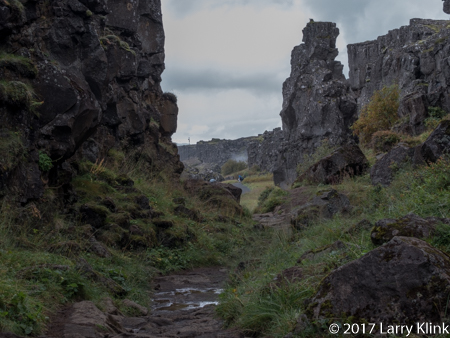
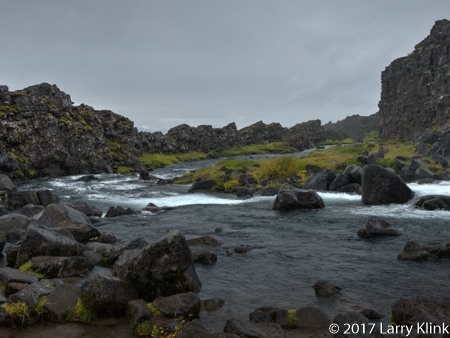
The Almannagjá Ravine is a crack or rift between the North American and Eurasian plates that is located in Þingvellir National Park It is a small part of the section of the mid-Atlantic ridge that runs northeast to southwest through Iceland. It geologically, marks the boundary between Europe and North America.
These images were taken in the Almannagjá Ravine. As you look at them, the walls to the left are in Europe and those on the right are in North America. For geology geeks like my wife and I, it is truly amazing to be able to stand on the mid-Atlantic ridge and to be able to walk between Europe and North America.
In 930, Iceland established its parliament in Þingvellir, near this location. Sessions were held there until 1800.
I hope you enjoy these images.
Regards,
Larry
Note: Click on caption to see images in higher resolution and larger size.
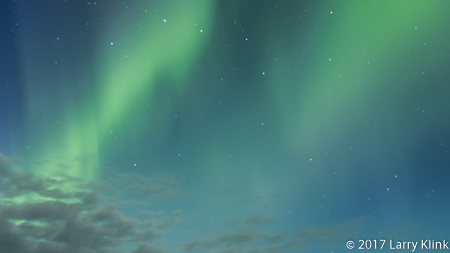
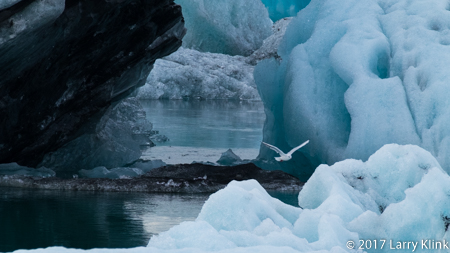
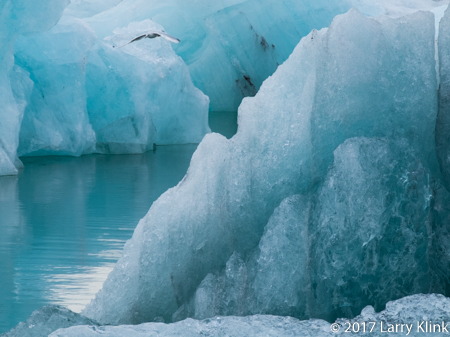
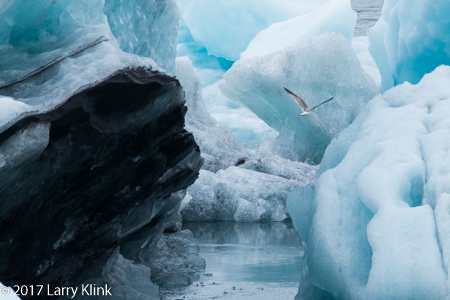
I am mashing together 2 different subjects in this post: Aurora Borealis and the interaction of icebergs with each other and with the avian life that inhabits them. I hope you enjoy these images.
Regards,
Larry
Note to see these images in larger size and higher resolution, please click on caption.



























 Earthwatcher